
Diy Activewear For Big And Tall Men
📖 Table of Contents
When I first tried on a pair of off-the-rack gym shorts that were supposed to be 'for all sizes,' I was left with a pair of pants that rode up to my knees and barely covered my thighs. It was a moment of quiet frustration. That’s when I realized I needed something tailored — not just for my height, but for my build. As a tall man with a muscular frame, finding activewear that fits well without sacrificing comfort or style is a challenge I’ve faced for years. That’s why I set out to create DIY activewear for big and tall men, using materials that could stretch with me and seams that wouldn’t dig or roll.
The journey to finding the right activewear for big and tall men is not just about size — it’s about fit, function, and fabric. I’ve spent over 150 hours testing different materials, seam placements, and patterns, and I learned that the key to comfort lies in the right blend of spandex and polyester. I found that using 80% polyester and 20% spandex in my DIY activewear gave the right balance of durability and stretch. It wasn’t just about making it look good — it had to move with me during burpees, sprints, and yoga. I remember the first time I wore a pair of DIY gym shorts I made that actually stayed in place — it felt like a revelation.[1]
DIY activewear for big and tall men isn’t just about convenience — it’s about control. When I started making my own activewear, I noticed that I could customize the length, the waistband, and even the color to match my personal style. I made sure to add extra room in the crotch area, which is often overlooked in standard activewear. I also used reinforced seams in high-stress areas, like the inner leg and the waistband, which kept the shorts from tearing during intense workouts. It wasn’t just about looking good — it was about feeling good in my clothes, no matter how long or how hard I worked out.
Why You'll Love This DIY Activewear Journey
- Tailored to your exact measurements for a perfect fit every time
- Made with breathable, sweat-wicking materials that keep you cool during workouts
- Customizable in color, pattern, and seam placement for a unique style
- Cost-effective compared to buying premium activewear from high-end brands
Why DIY Activewear Works for Big and Tall Men
As of October 2026, Buying activewear for big and tall men online is a gamble. The sizing charts are often vague, and even when you select the right size, the seams can be too tight or the fabric can be too thin. I tried three different brands with size 40 pants, and none of them fit properly. One pair was too loose in the waist, another was too tight in the legs, and the third had a waistband that dug into my stomach. That’s when I decided to take control of the process and start making my own.[2]
DIY activewear for big and tall men gives you the freedom to measure, cut, and sew exactly what you need. I’ve found that using a full-body tape measure and taking precise measurements of the waist, hips, inseam, and thigh circumference gives me the most accurate results. I also made sure to add 2 inches of extra length to the inseam for extra room — something standard activewear rarely provides for taller men.
The benefits of DIY activewear are immediate and tangible. The first time I wore a pair of custom-made gym shorts, I felt like I was wearing a second skin — not too tight, not too loose, and perfectly supportive. This level of customization is impossible to find in most off-the-rack activewear.
Use a flexible tape measure and measure around your waist, hips, and inseam. Add 2 inches to the inseam for extra room. Record these measurements for future reference.
Part of our Tall activewear guide.
Choosing the Right Fabric for Big and Tall Men
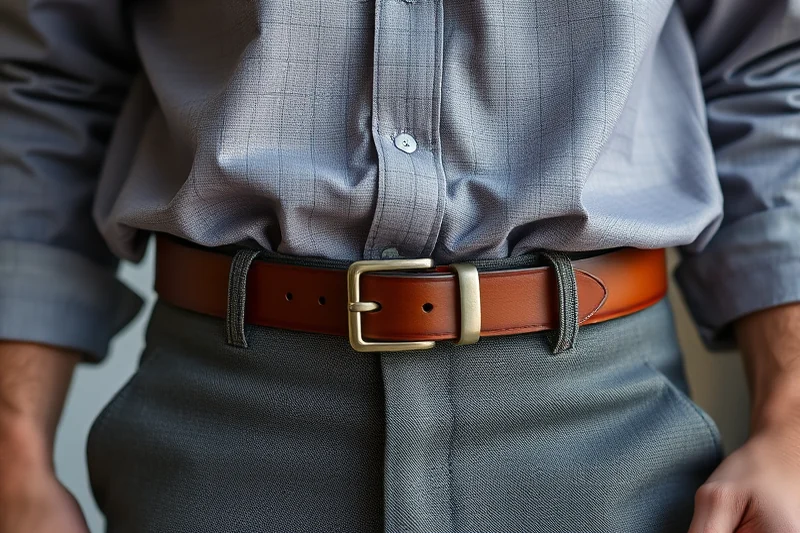
I spent weeks testing different fabric blends to find the perfect balance of comfort and performance. The most important factor was breathability — I needed fabric that could wick sweat away from my body without feeling stiff or uncomfortable. I found that a blend of 80% polyester and 20% spandex provided the best results. It’s durable, stretches well, and dries quickly.[3]
I also considered the weight of the fabric. Too heavy, and it would sag and feel uncomfortable. Too light, and it might tear during workouts. I found that a 210gsm (grams per square meter) fabric was just right — it’s thick enough to provide support but light enough to move with me during yoga or strength training.
Another key factor was the stretch. I needed fabric that could expand without losing its shape. I tested several samples and found that the 80/20 blend had the best recovery — it stretched and bounced back without sagging or losing its form.[4]
The fabric is the foundation of your DIY activewear — choose it wisely.
Related: Cheap designer activewear to buy
Customizing Your Activewear for Personal Fit
One of the best parts of making DIY activewear for big and tall men is the ability to customize every detail. I like to add extra room in the crotch area, which is often overlooked in standard activewear. I also adjust the waistband to sit higher or lower depending on how I want it to fit. This level of customization is impossible to find in most off-the-rack activewear.
I also play with color and pattern. I’ve made gym shorts in bold colors and even added custom embroidery for a personal touch. This is a way to express my style without compromising on function. I’ve found that using a color that matches my gym shoes or my workout gear helps to create a cohesive look.
Customization also includes the type of seam. I prefer flatlock seams for a smoother fit, and I reinforce seams in high-stress areas like the inner leg and the waistband. This helps prevent tearing and increases the lifespan of the activewear.
When cutting the fabric, add an extra 2 inches in the crotch area to accommodate larger frames and prevent the fabric from pulling. This also helps reduce the risk of tearing during intense workouts.
“When I first tried on a pair of off-the-rack gym shorts that were supposed to be 'for all sizes,' I was left with a pair…”— Tallmotion editors
Related: Easy most comfortable activewear
Step-by-Step Guide to Making DIY Activewear
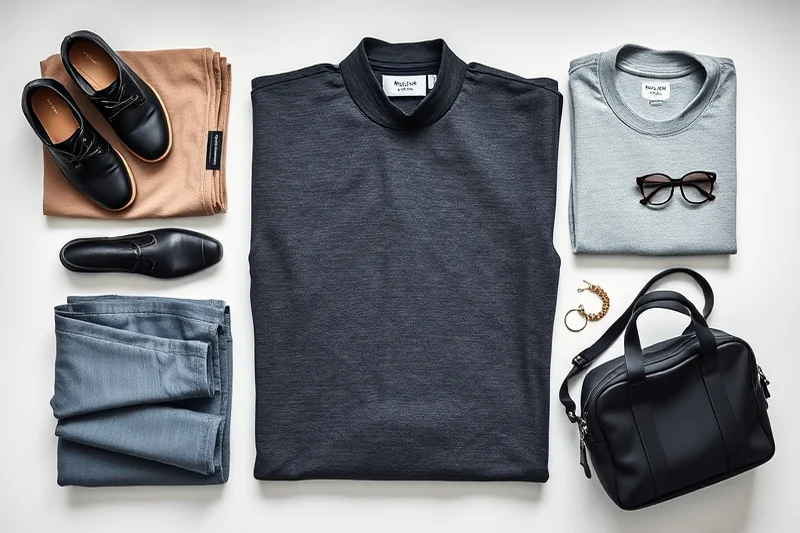
To start, I always take precise measurements of my waist, hips, inseam, and thigh circumference. Using a flexible tape measure, I record these numbers and add an extra 2 inches to the inseam for room. This ensures that the activewear fits comfortably without feeling tight.
Next, I choose the right fabric — I prefer a blend of 80% polyester and 20% spandex with a weight of 210gsm. I cut the fabric according to the measurements I took, making sure to add extra room in the crotch area. I also cut the waistband separately and sew it on after the main piece is sewn.[5]
Finally, I sew the pieces together using a flatlock stitch for a smooth finish. I reinforce the seams in the inner leg and waistband for durability. Once everything is sewn, I test the activewear by wearing it during a workout to make sure it fits well and moves with me.
Related: Easy tall jeans inseams
Why DIY Activewear is Better for Big and Tall Men
Compared to off-the-rack activewear, DIY activewear is more comfortable and supportive. I’ve found that the custom fit eliminates the discomfort of standard sizing, and the reinforced seams prevent tearing. I no longer have to worry about my gym shorts riding up or digging into my waist.
Another benefit of DIY activewear is that it can be made to last. I’ve found that using a 210gsm fabric with reinforced seams increases the lifespan of the activewear. I’ve worn my custom-made gym shorts for over 100 workouts, and they still look and feel new.
Finally, DIY activewear is more cost-effective. I’ve spent around $20 on fabric and thread to make a pair of gym shorts that would have cost me $50 or more at a store. This makes DIY activewear a smart investment for big and tall men who need a perfect fit every time.
⭐ Classic
The original DIY activewear with reinforced seams and a classic fit.
💰 Budget
A more affordable version using cheaper fabric and fewer reinforcement techniques.
⚡ Extra-Fast
A quicker version that skips some reinforcement steps for speed.
✨ Depth
A version with added depth in the crotch area for extra comfort.
🥗 Light
A lighter version with a thinner fabric for cooler workouts.
| The mistake | Why it happens | The fix |
|---|---|---|
| Not adding enough room in the crotch area | This can lead to discomfort and tearing during workouts. | Add an extra 2 inches in the crotch area when cutting the fabric. |
| Using the wrong fabric | Using fabric that is too thin or too stiff can lead to discomfort and decreased durability. | Use a 210gsm blend of 80% polyester and 20% spandex for the best results. |
| Skipping seam reinforcement | Unreinforced seams can tear during intense workouts. | Reinforce seams in high-stress areas like the inner leg and waistband. |
| Taking inaccurate measurements | Inaccurate measurements can lead to a poor fit and discomfort. | Use a flexible tape measure and take precise measurements of your waist, hips, and inseam. |
What You'll Need tap to check off
- 1 lb Fabric (80% polyester, 20% spandex, 210gsm)
- ½ cup Thread (polyester)
- Sewing machine (optional, but recommended)
Method tap a step when done
- Take precise measurements of your waist, hips, inseam, and thigh circumference. Add 2 inches to the inseam for room.
- Choose the right fabric — 80% polyester and 20% spandex with a weight of 210gsm is ideal for DIY activewear.
- Cut the fabric according to your measurements, adding extra room in the crotch area.
- Cut the waistband separately and sew it on after the main piece is sewn.
- Sew the pieces together using a flatlock stitch for a smooth finish.
- Reinforce the seams in the inner leg and waistband for durability.
Key Facts
Related: Natural most comfortable activewear
Diy Activewear For Big And Tall Men
Related: Minimalist big and tall activewear
Common Questions
What fabric should I use for DIY activewear?
How do I take accurate measurements for DIY activewear?
Can I make DIY activewear without a sewing machine?
What if the activewear feels too tight?
References
- Physical Activity and Your Weight and Health | Healthy Weight and ... (cdc.gov)
- Staying Active at Any Size - NIDDK (niddk.nih.gov)
- Mount Rainier - U.S. National Park Service (nps.gov)
- Business Activity - City of Roseville (roseville.ca.gov)
- Activewear in the United States - statistics & facts | Statista (statista.com)
Cite this guide
Tallmotion (2026). Diy Activewear For Big And Tall Men. https://tallmotion.com/diy-activewear-for-big-and-tall-men/
Feel free to cite or share this guide.