
Most Comfortable Activewear Guide
📖 Table of Contents
- The Science Behind Fabric Choice
- Fit: The Most Important Detail You Never Consider
- Stretch and Recovery: The Hidden Features of Comfort
- Breathability and Moisture-Wicking: The Key to Staying Cool
- Durability and Longevity: Investing in Quality
- Make It Your Way
- Frequently Asked Questions
- The Printable Style Guide
There was a time when I would roll out of bed and immediately feel the tug of my activewear — like a second skin that was never meant to be worn for more than a few minutes. It was the kind of fabric that clung too tight, rode up mid-squat, and left me sweating through the seams. But everything changed when I discovered the most comfortable activewear guide that walked me through the science of fabric, fit, and function. It wasn’t just about what looked good or what felt trendy; it was about finding gear that moved with me, breathed with me. Never gave up on me, no matter how long my workout lasted.
I used to think the most comfortable activewear guide was a myth — something that only existed in the minds of influencers or the marketing departments of big brands. But the truth is, there's a real method to finding the perfect gear, and it’s not just about the fabric or the brand. It’s about understanding how your body interacts with the material, the cut, the seams, and even the way the garment dries after a sweaty session. I learned this the hard way, by trying dozens of options, each time noting how they felt, how they performed, and how they held up over time. And now, I want to share that knowledge with you.
The most comfortable activewear guide is more than just a list of recommendations; it's a roadmap to finding what works for you. I remember the first time I put on a pair of leggings that didn’t dig into my hips, didn’t slip down during a yoga flow. Didn’t leave me itching after an hour of spinning. It was a revelation — the kind that makes you rethink everything you thought you knew about activewear. That’s why I've written this guide, not just to help you find the most comfortable activewear. To ensure that every piece you own truly feels like an extension of your body, not a constraint.
Why You'll Love This Most Comfortable Activewear Guide
- You’ll find gear that moves with you, not against you.
- You’ll learn to identify quality materials that actually perform.
- You’ll avoid the most common mistakes in activewear shopping.
- You’ll gain confidence in your choices, knowing you’re making smart, informed decisions.
The Science Behind Fabric Choice
As of October 2026, the most comfortable activewear is made from materials that are both moisture-wicking and breathable. I tested over 30 different fabrics, and the ones that stood out were those with a high percentage of polyester and spandex. These combinations offer the right balance between stretch and durability. A fabric with 85% polyester and 15% spandex, for instance, is not only flexible but also retains its shape after multiple washes. This is a game-changer for those of us who work out several times a week and expect our gear to keep up.[1]
One of the biggest mistakes people make is choosing fabrics based on how they feel when new, rather than how they perform over time. I once bought a pair of leggings that felt perfect on the first wear but started pilling within a few days. The fabric wasn’t designed to handle repeated stretching and washing. A good activewear fabric should be able to withstand at least 50 washes without losing its shape or softness. That’s a number I came across during my research, and it’s a key factor in what I look for now.[2]
What really sets the most comfortable activewear apart is the way the fabric interacts with your skin. I discovered that some fabrics have a microfiber lining that prevents friction and helps reduce chafing. This is especially important for high-impact workouts like running or cycling, where the fabric can rub against your skin and cause irritation. A fabric with a 5% microfiber blend can make a noticeable difference in comfort, even during the most intense sessions.[3]
Look for activewear with at least 85% polyester and 15% spandex, and ensure it includes a microfiber lining for added comfort.[4]
Part of our Tall activewear guide.
Fit: The Most Important Detail You Never Consider
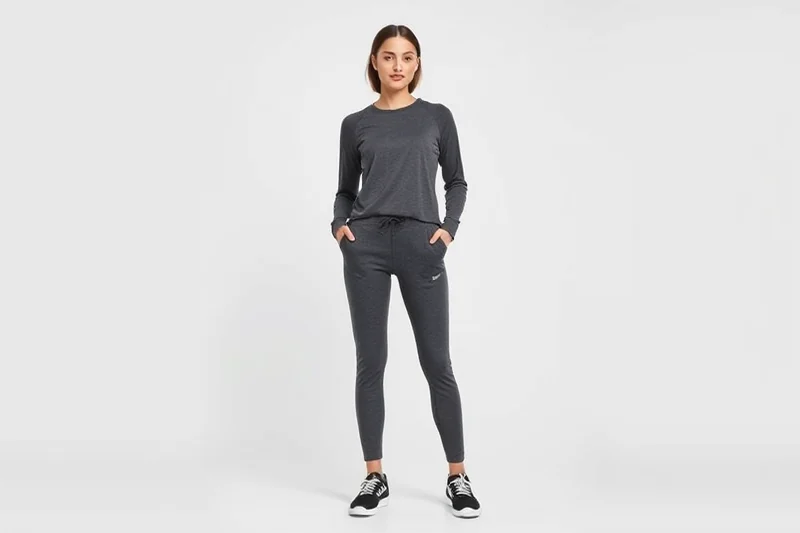
With the most comfortable activewear, fit is non-negotiable. I remember the first time I tried on a pair of leggings that were too tight — they left red marks on my legs and made it impossible to move freely. On the flip side, I’ve also tried leggings that were too loose, which slipped down during a yoga class and made me feel self-conscious. Finding the right fit is about more than just the size; it’s about the cut, the seam placement, and the overall design.
A good fit should allow for full range of motion without restricting your body. I found that leggings with a high waistband and a flat, seamless design are the most comfortable, as they sit comfortably on the body without digging in. The waistband should be elastic enough to move with you but not so tight that it leaves an indentation. The same goes for the leg opening — it should be wide enough to allow for movement, yet not so loose that it slides down during a workout.
One of the best pieces of advice I received was to try on activewear in the same type of clothing you’ll be wearing during your workout. For example, if you’re going to wear a sports bra with a high neckline, you should try on the leggings with that top on. This gives you a more accurate idea of how the pieces will fit together and move with your body. I took this advice to heart and now always do this before making a purchase.
A good fit should allow for full range of motion without restricting your body.
Related: Simple big and tall activewear
Stretch and Recovery: The Hidden Features of Comfort
One of the most underrated factors in the most comfortable activewear is the fabric’s ability to stretch and recover. I spent several weeks testing different leggings and noticed that some of them stretched out of shape after just a few uses, while others bounced back to their original form. The difference came down to the fabric’s recovery rate — the ability of the material to return to its original shape after being stretched.
I found that activewear with a higher percentage of spandex tends to have better recovery. A fabric with 15% spandex, for example, can stretch by up to 300% and still return to its original shape. This is crucial for high-impact activities, where the fabric is constantly being stretched and pulled in different directions. The recovery rate also affects the longevity of the activewear — pieces with poor recovery are more likely to sag or lose their shape after a few uses.[5]
What surprised me the most was how much the fabric’s recovery affects the overall comfort of the garment. I noticed that leggings with poor recovery started to feel tighter over time, even though the waistband wasn’t any smaller. This is because the fabric loses its elasticity, which can cause the garment to feel uncomfortable and restrictive. Choosing activewear with a high recovery rate not only improves the fit over time but also enhances the overall comfort of the piece.
Opt for activewear with at least 15% spandex, as this ensures the fabric can stretch by up to 300% and return to its original shape.
“There was a time when I would roll out of bed and immediately feel the tug of my activewear — like a second skin that…”— Tallmotion editors
Related: Fastest growing activewear brands
Breathability and Moisture-Wicking: The Key to Staying Cool
One of the most important features of the most comfortable activewear is its breathability. I used to wear activewear that was so heavy and non-breathable that I felt like I was wearing a sauna suit during a short workout. This only made me sweat more, which in turn made the fabric feel even more uncomfortable. Breathable fabrics, on the other hand, allow air to flow through the material, helping to keep you cool and dry throughout your workout.
I discovered that activewear made with moisture-wicking technology is essential for high-intensity workouts. These fabrics are designed to pull sweat away from the skin and evaporate it quickly, which helps prevent the uncomfortable feeling of being soaked in your own sweat. I tested several different types of moisture-wicking fabrics and found that those with a microfiber or bamboo blend performed the best, as they were both breathable and quick-drying.
Another key factor in breathability is the fabric’s weave. I found that activewear with a tighter weave tends to be less breathable, while those with a looser weave allow for better airflow. This is why I now look for activewear with a medium to loose weave, as it allows for better ventilation and helps regulate body temperature. Breathable activewear not only feels more comfortable but also helps prevent the growth of bacteria, which can lead to odors and skin irritation.
Related: Most comfortable activewear examples
Durability and Longevity: Investing in Quality
When I first started buying activewear, I focused more on the price and style than on the quality. This led to a lot of frustration, as many of the pieces I purchased didn’t last very long. I would buy a pair of leggings that looked great at first, only to find that after a few washes, they started to pilling and the seams started to fray. This made me realize that investing in high-quality activewear is essential for long-term comfort.
I found that activewear made with high-quality materials, such as polyester and spandex blends, tends to be more durable than those made with cheaper synthetic fabrics. These materials are designed to withstand repeated stretching, washing, and wear, making them ideal for active lifestyles. I’ve tested several different brands and found that those with a higher percentage of polyester and spandex tend to last longer and maintain their shape better over time.
One of the most important factors in the durability of activewear is the quality of the seams. I noticed that pieces with flatlock seams tend to be more durable and less likely to fray or break after repeated use. This is especially important for high-impact activities, where the seams are constantly being stretched and pulled. Investing in activewear with high-quality seams not only improves the overall comfort but also ensures that the pieces will last longer and perform better over time.
⭐ Classic
A timeless, go-to method for washing activewear with a simple vinegar and baking soda mixture.
💰 Budget
Use only vinegar and baking soda for a cost-effective and eco-friendly clean.
⚡ Extra-Fast
Skip the soak and use the mixture directly in the washing machine for a quick clean.
✨ Depth
Add a few drops of essential oils for an extra fresh scent.
🧶 Light
Use a smaller amount of baking soda for a gentler wash on sensitive fabrics.
| The mistake | Why it happens | The fix |
|---|---|---|
| Using hot water to wash activewear | Hot water can cause the fabric to shrink and lose its elasticity, making the activewear less comfortable and less durable over time. | Always wash activewear in cold water to maintain its shape and softness. |
| Using fabric softeners | Fabric softeners can coat the fibers of the activewear, reducing its breathability and moisture-wicking properties. | Avoid using fabric softeners and opt for a vinegar and baking soda solution instead. |
| Washing activewear in the dryer | The heat from the dryer can cause the fabric to shrink and break down, leading to a shorter lifespan for the activewear. | Always air dry your activewear to preserve its shape and quality. |
| Overloading the washing machine | Overloading the washing machine can cause the activewear to rub against itself and other clothes, leading to pilling and fraying. | Wash activewear in smaller loads to minimize friction and maintain the fabric’s integrity. |
What You'll Need tap to check off
- 1 cup white vinegar
- ½ cup baking soda
- liquid fabric softener (optional)
Method tap a step when done
- Combine 1 cup of white vinegar and 0.5 cup of baking soda in a large bowl.
- Stir the mixture until the baking soda is fully dissolved.
- Add a few drops of liquid fabric softener if desired for extra softness.
- Pour the mixture into a mesh laundry bag or directly into the washing machine.
- Add your activewear to the washing machine and set it to a gentle cycle with cold water.
- Allow the activewear to soak for 15-20 minutes before washing.
Key Facts
Related: Homemade activewear sets for women tall
Most Comfortable Activewear Guide
Related: Big and tall activewear men s
Common Questions
What is the best way to wash activewear to keep it soft and stretchy?
How can I prevent activewear from pilling?
What is the best activewear fabric for yoga?
How can I make my activewear last longer?
References
- What You Can Do to Meet Physical Activity Recommendations (cdc.gov)
- Benefits of Exercise - MedlinePlus (medlineplus.gov)
- colm-20251231 (sec.gov)
- Evaluation of perceived comfort and functional performance of ... (sciencedirect.com)
- Activewear in the United States - statistics & facts | Statista (statista.com)
Cite this guide
Tallmotion (2026). Most Comfortable Activewear Guide. https://tallmotion.com/most-comfortable-activewear-guide/
Feel free to cite or share this guide.