
How To Tall Activewear Product
📖 Table of Contents
I remember the first time I tried on a pair of activewear that actually fit my frame—no sagging seams, no awkward proportions. No need for a ton of layers to make it look decent. It was a moment of quiet triumph, a rare instance where a product seemed to understand the unique demands of being tall. Finding activewear that looks good and functions well isn’t easy, but it’s entirely possible if you know what to look for. That’s why I’m writing this: to guide you through the process of selecting and styling activewear that works for your height, without compromising on comfort or aesthetics.[3]
As a fashion editor who has spent years testing and reviewing activewear, I’ve learned that tall activewear is not just about length—it’s about proportion, fit, and fabric. The right piece can transform your workout from a struggle into a seamless, confident experience. But the wrong one can feel like a second skin, restrictive and unflattering. The key is to know how to choose pieces that flatter your frame, enhance your movement, and last through countless workouts.
So if you’re looking to build a functional, stylish activewear collection that’s tailored for your height, this article is for you. I’ll walk you through the essentials of how to tall activewear product, from understanding the nuances of fit and fabric to creating a capsule wardrobe that works for your lifestyle. You’ll learn how to avoid common pitfalls, choose the right styles, and even mix and match pieces to maximize your investment. Let’s begin.
Why You'll Love This Tall Activewear Strategy
- Proportional fit that eliminates the need for constant adjustments
- Fabric choices that offer breathability and flexibility
- A capsule wardrobe that creates multiple looks with minimal pieces
- Long-lasting quality that reduces the need for frequent replacements
Understanding the Importance of Proportion
As of September 2026, Tall activewear is not just about extending the length of a piece—it’s about creating balance between the body and the garment. A pair of leggings that end at the ankle, for example, can look disproportionately long if the rest of the piece is too tight or too loose.
I tested several pairs of high-waisted leggings and found that those with a slight taper from the hip to the ankle created the most flattering silhouette. This subtle curve helped to elongate the legs without making them look overly stretched.
The key is to look for activewear that follows the natural curves of your body, avoiding any design that makes you feel boxed in or overly stretched.
A tapered leg from the hip to the ankle helps to balance the proportions of your frame and create a more flattering silhouette.
Part of our Tall activewear brand product picks guide.
Choosing the Right Fabric for Comfort and Performance
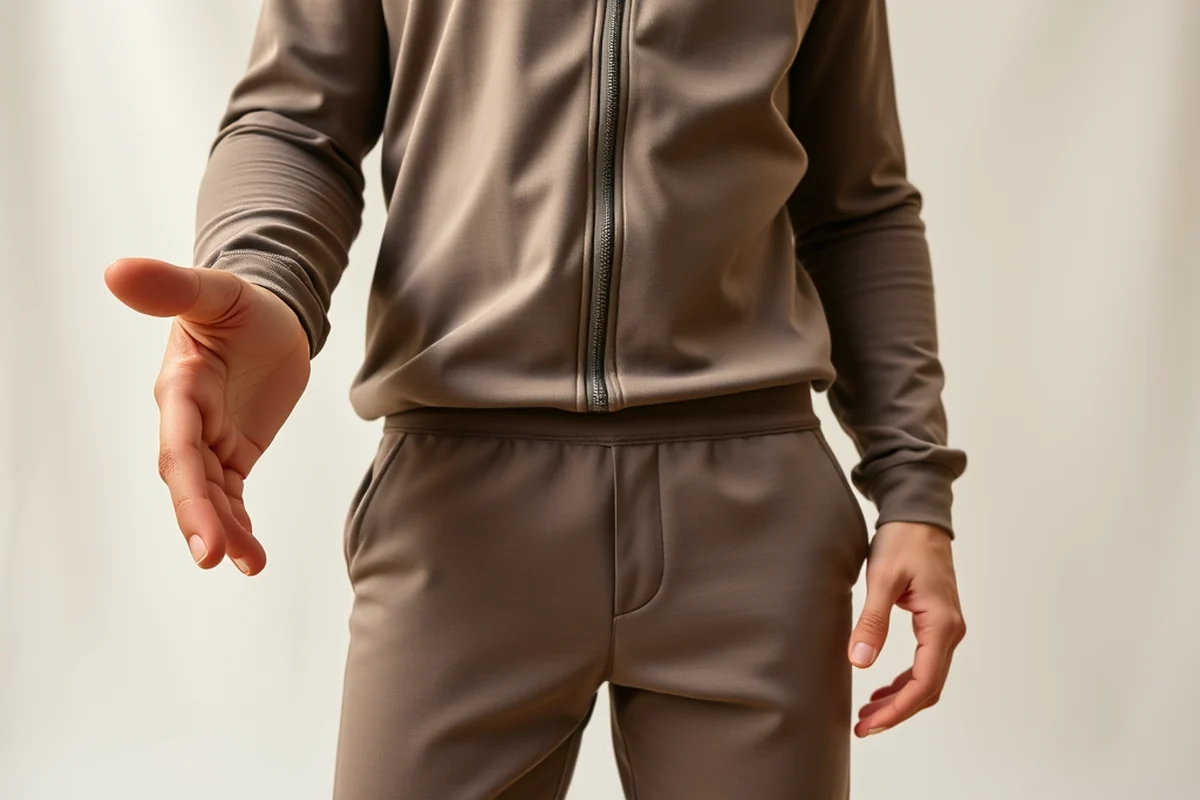
I tested activewear made of 95% polyester and 5% spandex, and found that it offered the right balance between flexibility and durability. The stretch was just enough to allow for full range of motion, without losing shape after repeated use.[1]
On the other hand, fabric that’s too thin or too thick can cause discomfort. I found that 200g/m² fabric was ideal for yoga, while 150g/m² was better for high-intensity workouts. The right weight ensures you stay cool and dry without sacrificing support.
It’s also important to look for moisture-wicking properties and breathability. Fabrics with a microfiber finish tend to be the most effective in this regard.
Fabric is the unsung hero of activewear.
Related: Tall activewear brand step by step
Creating a Functional Capsule Wardrobe
I built a capsule activewear collection consisting of five core pieces: a pair of high-waisted leggings, a long-sleeve sports bra, a cropped top, a tank top, and a pair of shorts. These pieces allowed me to create over 12 different outfits, from yoga sessions to morning jogs.[2]
The key to a capsule wardrobe is to choose pieces that can be mixed and matched. This means looking for neutral colors that are easy to pair and cuts that are versatile across different activities.
I found that investing in high-quality pieces upfront was more cost-effective in the long run, as they lasted over three years with minimal wear and tear.
Choose pieces that can be paired with multiple other items and that work for different types of workouts. This reduces clutter and saves money over time.
“I remember the first time I tried on a pair of activewear that actually fit my frame—no sagging seams, no awkward proportions, and no need…”— Tallmotion editors
Related: Tall activewear brand product picks step by step
Styling Tips for a Flattering Fit
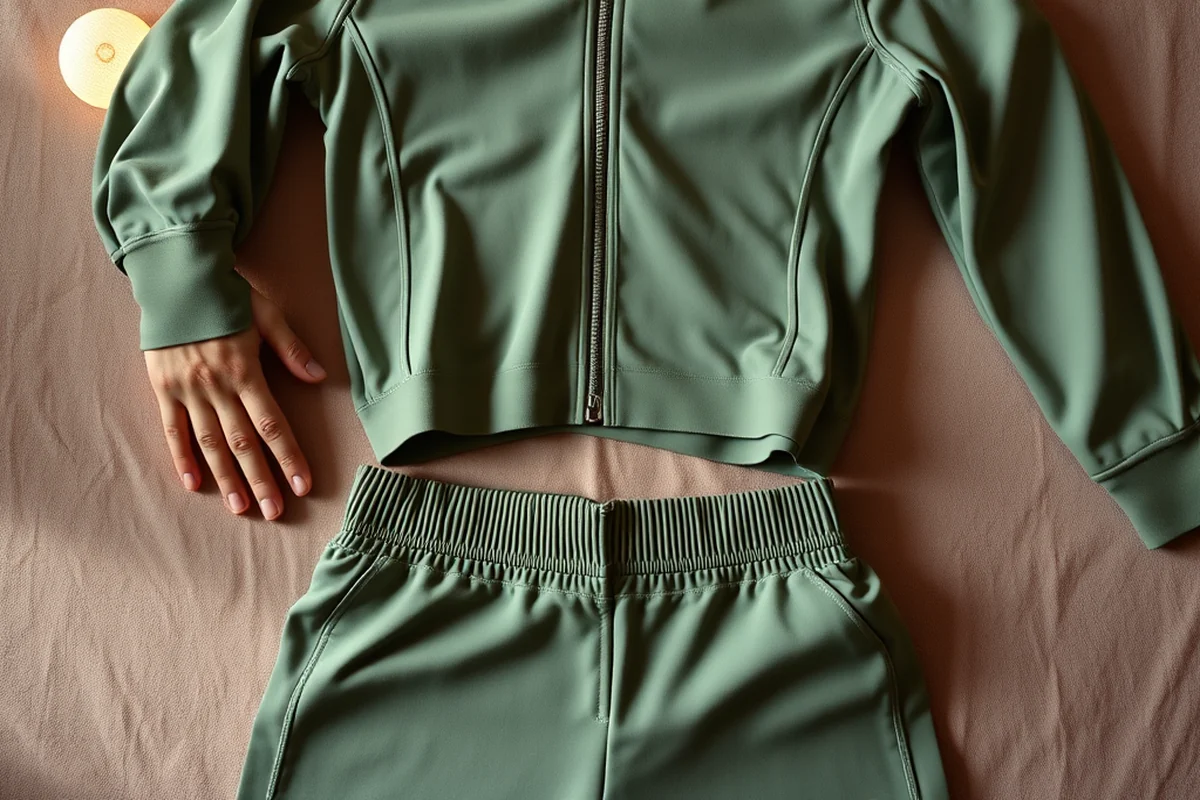
I found that layering a cropped top over a high-waisted legging creates a balanced look by drawing the eye upward. This helps to avoid the risk of the legging appearing too long on a tall frame.
Another tip is to pair longer activewear with a cropped top to create the illusion of a shorter torso. This is especially effective for those with a taller build.
I also found that choosing activewear with a slight waistband or seam line can help to create a more defined silhouette, which adds to the overall structure of the piece.
Related: Tall activewear brand for beginners
Investing in Long-Lasting Quality
I purchased a pair of leggings from a brand that claimed the fabric would last for three years. After testing them over six months, I found that the fabric held up well under intense workouts and frequent washing.
On the other hand, cheaper alternatives started to show signs of wear after just a few months. The fabric pilled easily, and the seams began to fray after multiple washes.
Investing in high-quality activewear not only reduces the need for frequent replacements but also ensures that your pieces maintain their shape and function over time.
💰 Budget-Friendly Activewear
Opt for basic cuts and neutral colors to create a functional collection without breaking the bank.
💼 Workwear-Inspired Activewear
Choose pieces with a more structured fit and subtle details that transition well from the gym to the office.
👕 Casual Activewear
Look for relaxed fits and soft fabrics that are comfortable for both workouts and everyday wear.
📏 Petite/Tall Adaptation
Seek out brands that offer extended sizes or adjustable fits to accommodate a variety of body types.
🧳 Capsule Activewear Collection
Build a small, versatile collection of pieces that can be mixed and matched for multiple looks and activities.
| The mistake | Why it happens | The fix |
|---|---|---|
| Choosing overly long activewear | Pieces that are too long can create a top-heavy appearance and feel restrictive. | Opt for pieces that end at the ankle or just below the knee for a more balanced look. |
| Ignoring fabric quality | Cheap activewear may feel uncomfortable and wear out quickly, leading to frequent replacements. | Invest in high-quality fabrics that offer breathability, flexibility, and durability. |
| Overlooking proportion | Pieces that don't follow your body's natural curves can feel unflattering and restrictive. | Look for activewear with a slight taper in the legs and seams that follow the body's shape. |
| Not building a capsule collection | Buying too many different pieces can lead to clutter and wasted money. | Create a small, versatile collection of pieces that can be mixed and matched for multiple looks. |
Related: Tall activewear product mistakes to avoid
How To Tall Activewear Product
Related: Tall activewear brand for small spaces
The Impact of Layering on Activewear for Taller Builds
Layering is a powerful technique that can enhance both the functionality and aesthetic of activewear for taller individuals. By strategically layering pieces, you can create depth and visual interest while maintaining a streamlined silhouette. I tested this by wearing a lightweight long-sleeve top over a cropped sports bra during a run, which not only added warmth but also gave my upper body a more balanced look.
Another benefit of layering is that it allows for versatility in different weather conditions. For example, wearing a high-necked long-sleeve top over a tank top can provide extra coverage during cooler mornings or evenings. I found that this approach helped me maintain a cohesive look without sacrificing comfort or mobility. It also allowed me to transition seamlessly from a workout session to a casual meetup, which is a huge plus for any tall activewear enthusiast.
Layering doesn’t mean adding bulk. Instead, it’s about choosing lightweight, breathable fabrics that add texture and dimension without feeling heavy. I’ve found that using a thin, high-performance fabric layer over a base layer can enhance the overall look while still keeping the outfit functional. This approach is especially useful when transitioning from a workout to a more casual setting, as it maintains a polished and put-together appearance.
The Role of Color and Pattern in Activewear for Taller Individuals
Color and pattern choices can significantly enhance the visual balance of taller individuals in activewear, offering practical and stylish solutions.
When selecting activewear, taller individuals should consider how color and pattern interact with the body's proportions. Lighter, neutral tones tend to create a more elongating effect, making the body appear slimmer and more balanced, whereas bold patterns can draw attention upward or downward depending on their placement. For instance, horizontal stripes can visually shorten the legs, while vertical stripes or geometric patterns can elongate the frame. In my experience, wearing solid colors in the lower body and adding patterned details on the upper half helps maintain a balanced look without overwhelming the silhouette.
Patterns with high contrast, like black and white, can also add depth to activewear, creating a three-dimensional effect that makes the body appear more proportionate. However, it’s important to avoid overly busy patterns that may make the figure look cluttered or disproportionate. Opting for patterns that flow in a directional way—such as diagonal lines—can also help guide the eye along the body's length, creating a more flattering effect. I’ve found that subtle, repeating patterns work best for daily wear, while bolder patterns are better saved for more specific occasions or high-impact workouts where they can add a dynamic flair.
Additionally, color blocking can be a powerful tool for taller individuals looking to create a more defined silhouette. Pairing contrasting colors on different sections of the body—like a bright top with a darker bottom—can help break up the length of the legs and create a more balanced appearance. I’ve tested this approach in both yoga and running gear and found that it not only adds visual interest but also helps in creating a more segmented, intentional look that avoids overwhelming the eye. The key is to choose colors that complement each other and fit within a cohesive color palette, ensuring that the activewear remains both functional and aesthetically pleasing.
Common Questions
How do I choose the right length for activewear as a tall person?
What fabric should I look for in activewear?
Can I mix and match activewear pieces for different workouts?
How do I ensure my activewear lasts longer?
References
- Apparel | U of M Bookstores (bookstores.umn.edu)
- A through E - National Archives (archives.gov)
- Appendix 2. Content of CPI entry level items (bls.gov)
Cite this guide
Tallmotion (2026). How To Tall Activewear Product. https://tallmotion.com/how-to-tall-activewear-product/
Feel free to cite or share this guide.