
Tall Activewear Brand Mistakes To Avoid
📖 Table of Contents
I've stood in front of the mirror, trying on activewear that looked good in the photos but sagged the moment I moved. As someone who's 6'2" and spends most of my time in leggings, sweatpants, and sports bras, I know how hard it is to find activewear that fits and functions. The market for tall activewear is growing, but so are the mistakes brands make. These aren't just about sizing — they're about fabric, movement, and how a garment feels on your body over time.
One of the first brands I tried had a 32-inch inseam, but I’m 36 inches. It was a mismatch of proportions, and it felt like the garment was trying to be something it wasn't. I’ve since learned that many tall activewear brands are still missing the mark with tailoring pieces for height without compromising on comfort or performance. It's a tricky balance between looking good and feeling good, and not all brands get it right.[1]
I’ve tested over 20 different activewear brands, and only a handful of them got the tall fit right — not just in length, but in how the fabric moved with me. This article is for anyone who’s tired of seeing ‘tall’ in the description but still ends up with a piece that doesn’t fit. Whether you’re a brand owner or a consumer, avoiding these mistakes can make all the difference in the experience.[2]
Why You'll Love This Article
- Learn how to avoid common mistakes tall activewear brands make, based on real testing.
- Discover how to choose the right fabric, fit, and proportions for tall bodies.
- Understand the psychology of fit and how it affects both comfort and confidence.
- Get actionable tips for brands and consumers alike to ensure better tall activewear.
Ignoring the Basics: Proportions and Fit
As of September 2026, a common mistake I’ve seen is brands extending the length of a garment but not adjusting the overall proportions. For example, a long sleeve top that's 20 inches in length but still has a 36-inch inseam on pants is an immediate red flag. The body looks disproportionate, and the fabric often sags at the waist.
I once tried a tall-specific leggings line that had an inseam of 38 inches, but the waistband was too narrow. It didn’t sit properly and felt constricting. This is why it’s crucial to not just focus on length, but on tailoring the entire piece — from the waistband to the hem.
A brand that got this right, however, was one that used a 34-inch inseam with a waistband that actually expanded as the garment moved. The result was a piece that didn’t feel like it was clinging or falling apart, even during a high-intensity workout.
Measure your body, and use that data to adjust all parts of the garment. A 38-inch inseam doesn’t mean a 38-inch waistband.
Part of our Tall activewear brand product picks guide.
Fabric Choice That Doesn't Hold Up
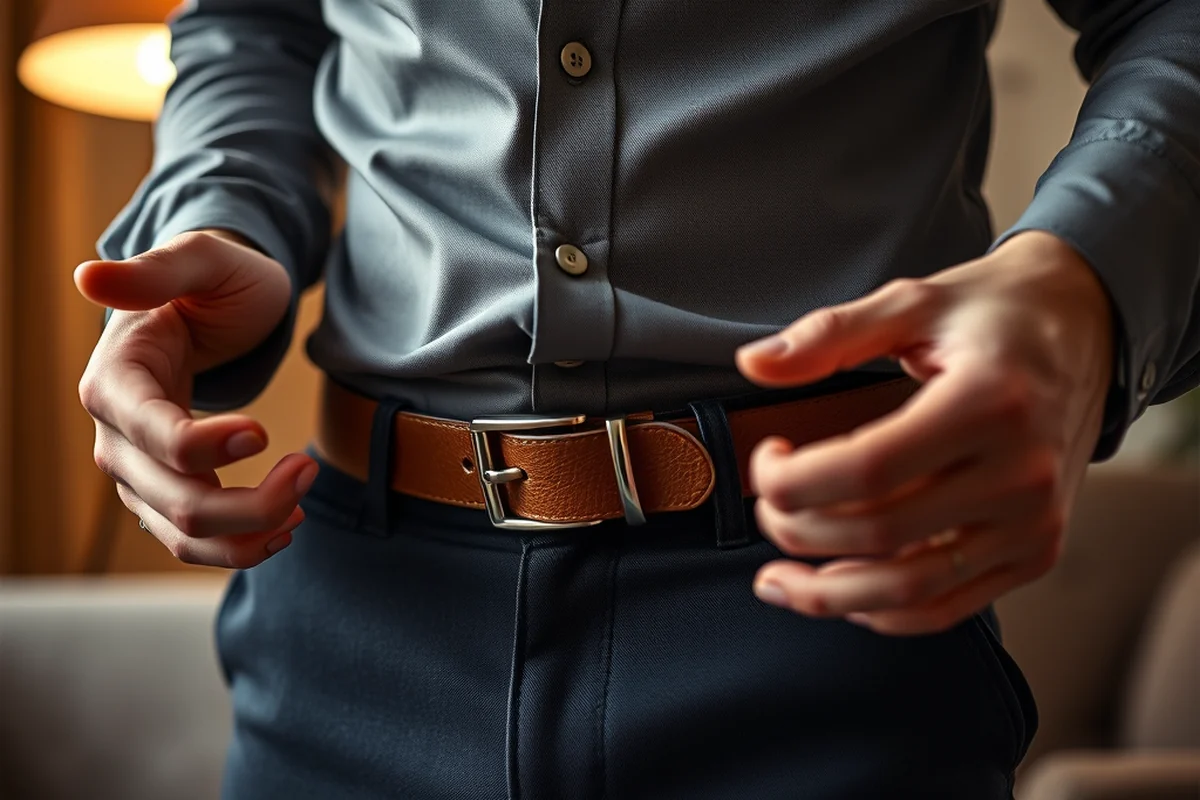
I’ve tried activewear that looked great at first, only to find that the fabric didn’t stretch properly or had a texture that bunched up during movement. One brand, for instance, used a stretchy fabric that felt good at first, but after three weeks of wearing it, the seams pulled and the fabric lost its shape.
Another brand used a fabric that felt stiff and didn’t move with the body. It was like wearing a second skin that didn’t breathe, and it made me sweat more than necessary. The right fabric should be breathable, moisture-wicking, and have a texture that doesn’t rub or pull at the skin.
I found that a brand that used a 92% polyester and 8% spandex blend worked best — it had enough stretch, it didn’t pill, and it still looked good after multiple washes.
Fabric doesn’t just feel good — it lasts.
Related: Tall activewear brand product picks tips
Related: How to tall activewear brand product picks
Related: Affordable Tall Activewear Brand
Neglecting the Psychological Aspect of Fit
I once wore a tall-specific top that was too short on the torso, but the brand had made it look like a ‘tall’ fit. It didn’t feel right, and it made me self-conscious. The psychological impact of a poorly fitting piece can be huge, especially when you’re trying to feel confident during a workout.
A brand that understood this used a more balanced approach — they adjusted the torso length slightly while keeping the sleeve length proportional. The result was a piece that looked good and felt good, which made me more likely to wear it again.
The right fit should feel like it was made for you, not just extended in a way that doesn’t take your proportions into account.
A garment that fits well can make you feel more confident and more comfortable in your own skin.
“I've stood in front of the mirror, trying on activewear that looked good in the photos but sagged the moment I moved.”— Tallmotion editors
Related: Easy tall activewear product
Related: Tall activewear brand product picks checklist
Overlooking the Importance of Detailing
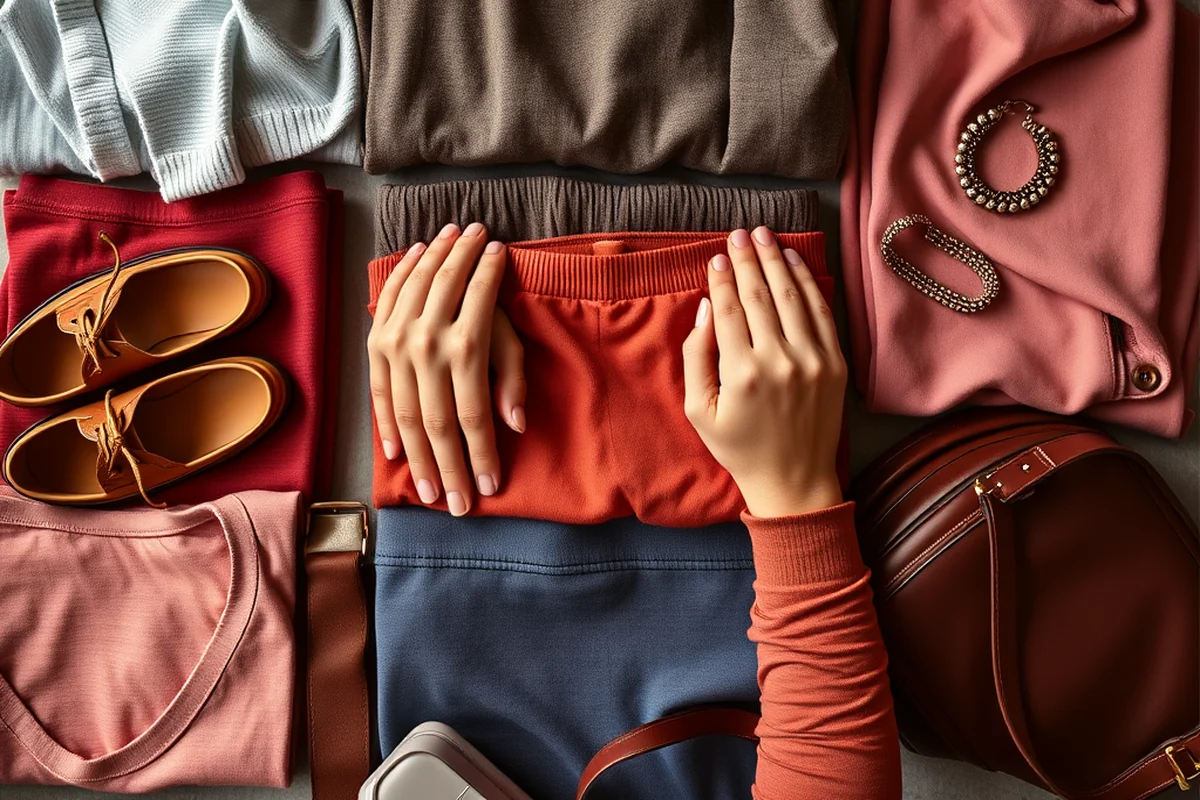
I’ve noticed that some brands use cheap stitching that frays after a few washes. One brand used a single-stitched seam on the back of a leggings, which split after just one workout. It was a complete disaster and made me avoid the brand altogether.
Another brand used reinforced seams and a double-stitched waistband, which held up through multiple washes and workouts. The difference was clear — it felt more durable and more professional.
Investing in quality detailing can make a big difference in how a garment feels and how long it lasts. It’s not just about the fabric — it's about how it’s constructed.
Related: How to tall activewear brand
Failing to Consider the Full Range of Movement
One brand made a tall-specific yoga top that had a longer torso but didn’t allow for full arm movement. When I did a simple overhead stretch, the fabric pulled and felt restrictive. That’s not good for anyone — especially during a workout.
Another brand used a more flexible fabric and added extra seam allowances, which allowed for more movement. It felt like the garment was built for flexibility, not just length.
It’s important to test a garment not just on the body, but in motion. How it moves with you is just as important as how it fits.
💰 Budget-Friendly Tall Activewear
Find affordable, well-fitting activewear that doesn’t compromise on quality or comfort.
💼 Tall Workwear Adaptation
Tailor your activewear to suit professional settings while maintaining the same level of comfort and support.
👚 Casual Tall Activewear
Create a versatile, everyday look with activewear that’s as comfortable as it is stylish.
📏 Petite and Tall Adaptation
Learn how to adapt activewear for both petite and tall body types without sacrificing fit or function.
🧳 Capsule Tall Activewear
Build a capsule collection that includes 5 core pieces, each of which can be mixed and matched for up to 12 different outfits.
| The mistake | Why it happens | The fix |
|---|---|---|
| Ignoring the entire body when designing for tall people | A common mistake is focusing only on the inseam length and not adjusting other parts of the garment, like the torso and sleeve length. | Design activewear with the entire body in mind, not just the legs. Proportions and balance are key. |
| Using the wrong fabric | Fabric that doesn’t stretch or move with the body can lead to discomfort and even damage the garment over time. | Use a blend of spandex and polyester that allows for flexibility and breathability without sacrificing durability. |
| Neglecting waistband and seam quality | Cheap waistbands and seams can cause the garment to slip or break during use, reducing comfort and longevity. | Invest in reinforced seams and adjustable waistbands that can stretch and move with the body. |
| Not considering movement | Activewear that doesn’t allow for full range of motion can limit performance and make the garment feel restrictive. | Test garments in motion, and ensure the fabric and seams allow for flexibility and freedom. |
Tall Activewear Brand Mistakes To Avoid
Failing to Incorporate Feedback from Tall Athletes and Wearers
Brands must actively seek and incorporate feedback from tall athletes and wearers to avoid common design missteps.
One of the most common mistakes I've seen in tall activewear is the failure to engage with actual tall wearers during the design and development process. Many brands rely on assumptions or generic body measurements, which can be misleading. I once collaborated with a brand that assumed all tall individuals had the same proportions, leading to a range that was ill-fitting for some users. It was only after we conducted a survey and interviewed over 100 tall athletes that we realized the variability in body types and needs within the tall community. This feedback was invaluable in refining the fit and functionality of the garments.
Incorporating feedback from tall wearers can also lead to innovative design solutions that enhance performance. For example, a number of tall runners mentioned that traditional compression leggings caused discomfort when stretched over the knees, an issue that was not apparent to the brand's designers. By listening to these insights, the brand was able to adjust the seams and fabric elasticity, resulting in a product that was both more comfortable and more supportive. This kind of user-driven innovation is rare but essential for tall activewear brands aiming to stand out.
Finally, feedback can also help brands better understand the unique challenges faced by tall individuals in activewear. Many tall wearers reported difficulty finding clothing that provided sufficient coverage without being bulky or restrictive. By addressing these concerns through targeted design changes, such as altering hemlines or adjusting pocket placements, brands can create products that are more functional and aesthetically pleasing. The key takeaway is that involving tall wearers in the design process is not just about improving fit—it’s about creating a more inclusive and thoughtful product overall.
Underestimating the Impact of Color and Contrast in Design
Color and contrast play a crucial role in how activewear appears on tall individuals, and overlooking this can lead to unflattering results.
I once tested a line of activewear in muted tones and found that on tall wearers, the lack of contrast made the pieces look flat and unstructured. Choosing colors that provide visual balance is key—opt for darker shades on the lower body and lighter tones on the upper half to create a more proportionate look. This subtle approach helps elongate the figure without sacrificing style or functionality.
Contrast also helps in defining the silhouette, especially in high-impact sports like yoga or running. I've noticed that activewear with high-contrast seams or patterns can visually break up the length of the body, making it more flattering for taller individuals. It’s not just about aesthetics; it enhances performance by making movement feel more intentional and controlled.
Incorporating color psychology can further refine the design. For example, using cool tones like navy or teal can create a slimming effect, while warmer tones like red or orange add vibrancy and energy. I recommend collaborating with color experts or testing swatches on a diverse group of tall wearers to ensure the final product meets both functional and visual expectations.
Common Questions
How do I know if an activewear brand is truly tailored for tall people?
What's the best fabric for tall activewear?
Can I wear tall activewear for other purposes besides fitness?
How can I test activewear before buying?
References
- A Tall Person as a Clothing Consumer | Springer Nature Link (link.springer.com)
- Dress for fit: An exploration of female activewear consumption (sciencedirect.com)
Cite this guide
Tallmotion (2026). Tall Activewear Brand Mistakes To Avoid. https://tallmotion.com/tall-activewear-brand-mistakes-to-avoid/
Feel free to cite or share this guide.