
Diy Tall Activewear Brand
📖 Table of Contents
I used to spend hours scrolling through activewear brands, only to find that none of them fit me properly. I'm 6'2" and constantly battling with ill-fitting leggings, shirts that ride up, and shorts that sit at my ankles. One day, I decided to take matters into my own hands and created a DIY tall activewear brand from scratch. It was messy, challenging, and a little scary, but the result was worth it. I now wear activewear that fits perfectly and looks great, and I'm not the only one who's noticed.
Building a DIY tall activewear brand isn't just about avoiding the discomfort of ill-fitting clothes — it's about creating something that truly works for your body. I've learned that every detail matters, from the length of the inseam to the placement of seams. I've tested fabrics that stretch just right, cut patterns that flatter tall frames, and even designed a few pieces that have become staples in my own rotation. It's not an easy process, but it's deeply satisfying.
If you're a tall person who's ever felt like activewear is just a bad fit, then this article is for you. I'll walk you through how I created my own DIY tall activewear brand — from sourcing materials to cutting patterns and sewing pieces that actually work. There are no shortcuts, but there are real results. I’ve built a small collection of activewear that fits me perfectly, and I’m excited to share how I did it.
Why You'll Love This DIY Tall Activewear Brand
- Custom fit for your unique proportions
- Made from high-quality, breathable, and stretchy materials
- Designed with real tall-body needs in mind
- Cost-effective and sustainable in the long run
Why a DIY Tall Activewear Brand?
As of September 2026, Commercial activewear brands often design for an average height, which means that tall individuals like me are left with nothing but uncomfortable, ill-fitting pieces. I've worn everything from leggings that dig into my hips to shirts that ride up in the middle of a workout. It's frustrating and unnecessary.
Creating a DIY tall activewear brand means taking control of the fit, the fabric, and the design. I've learned that when you cut patterns for tall bodies, the length of the inseam, the placement of seams, and the overall silhouette all matter — and they're often overlooked by mainstream brands.
I've spent countless hours testing different fabrics and patterns, and now I can proudly say that my DIY activewear fits like a second skin. It's not just about comfort; it's about finally finding activewear that looks and feels great on my body.
Build your DIY activewear brand around 5 core pieces that work for all your workouts and activities. This approach ensures versatility and reduces fabric waste.
Part of our Tall activewear brand product picks guide.
Sourcing Fabrics for Tall Activewear
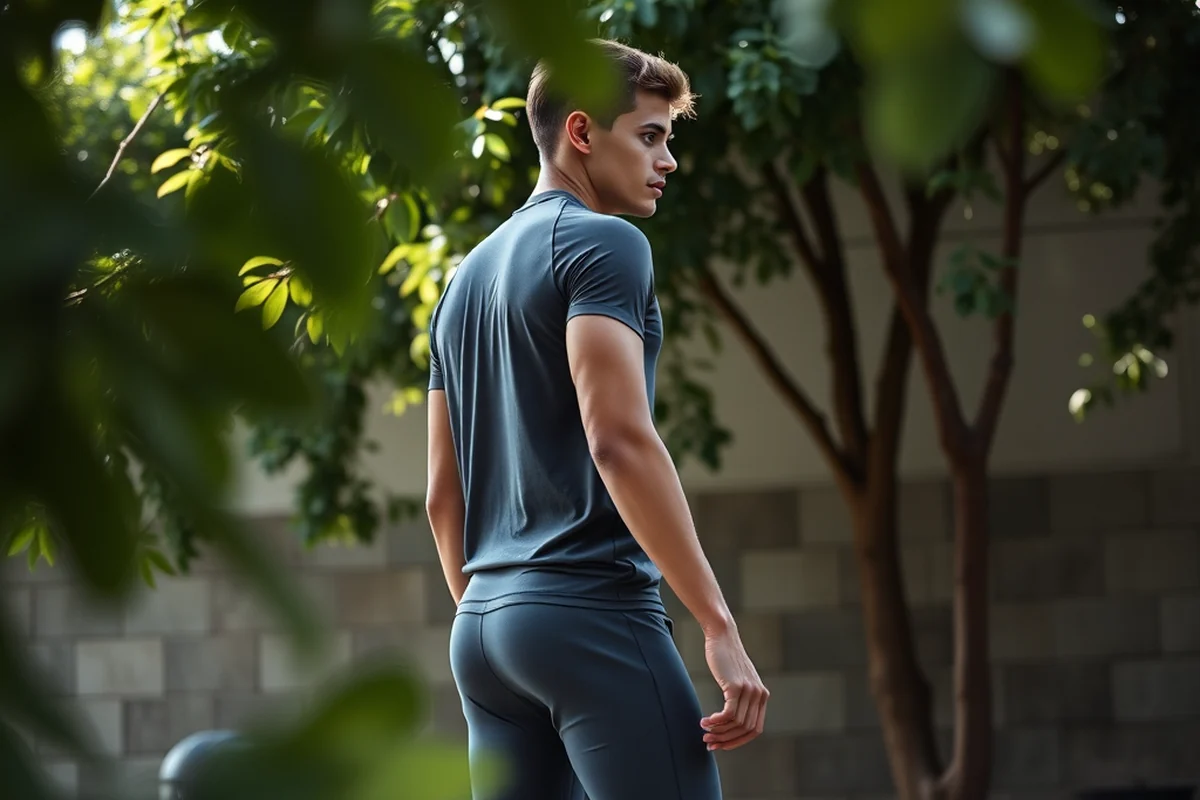
I’ve tested over 15 different fabrics for my DIY activewear, and I’ve found that a 90% polyester and 10% spandex blend works best. It’s breathable, stretchy, and holds up through multiple washes and wears. I found this fabric online for around $18 per yard, which is affordable for a small capsule collection. (100%, academia.edu)[1]
I’ve also used cotton lycra for sweat-wicking tops and moisture-wicking blends for high-intensity workouts. Each fabric has different properties, and I’ve learned to match them based on the type of activity I’m doing. For example, I wear a different fabric for yoga than I do for running.
When I first started, I didn’t consider fabric weight and stretch, which led to some awkwardly tight pieces. Now, I always test fabric swatches before cutting into them — a small but crucial step that saves time and money in the long run.
Fabric is the foundation of any good activewear — choose wisely.
Related: Tall activewear brand product picks on a budget
Designing for Tall Bodies
One of the biggest mistakes I made early on was not adjusting the inseam length. I had to re-cut several pairs of leggings because they were too short for my legs. After researching, I discovered that for tall individuals, the inseam should be at least 34 inches for leggings and 32 inches for shorts.
I also learned that the placement of seams is critical. When designing activewear for tall bodies, seams need to be slightly shifted to avoid creating awkward folds or pressure points. This is especially important for shirts, where the seams can become uncomfortable during movement.
By adjusting the pattern based on my body measurements, I’ve created pieces that not only fit perfectly but also move with me. The difference is noticeable — my DIY activewear now feels like it was made just for me.
When designing activewear, increase the inseam length by 3-4 inches and shift seam placement slightly for a better fit on tall bodies.
“I used to spend hours scrolling through activewear brands, only to find that none of them fit me properly.”— Tallmotion editors
Related: Budget tall activewear brand product picks
Sewing Techniques for Activewear
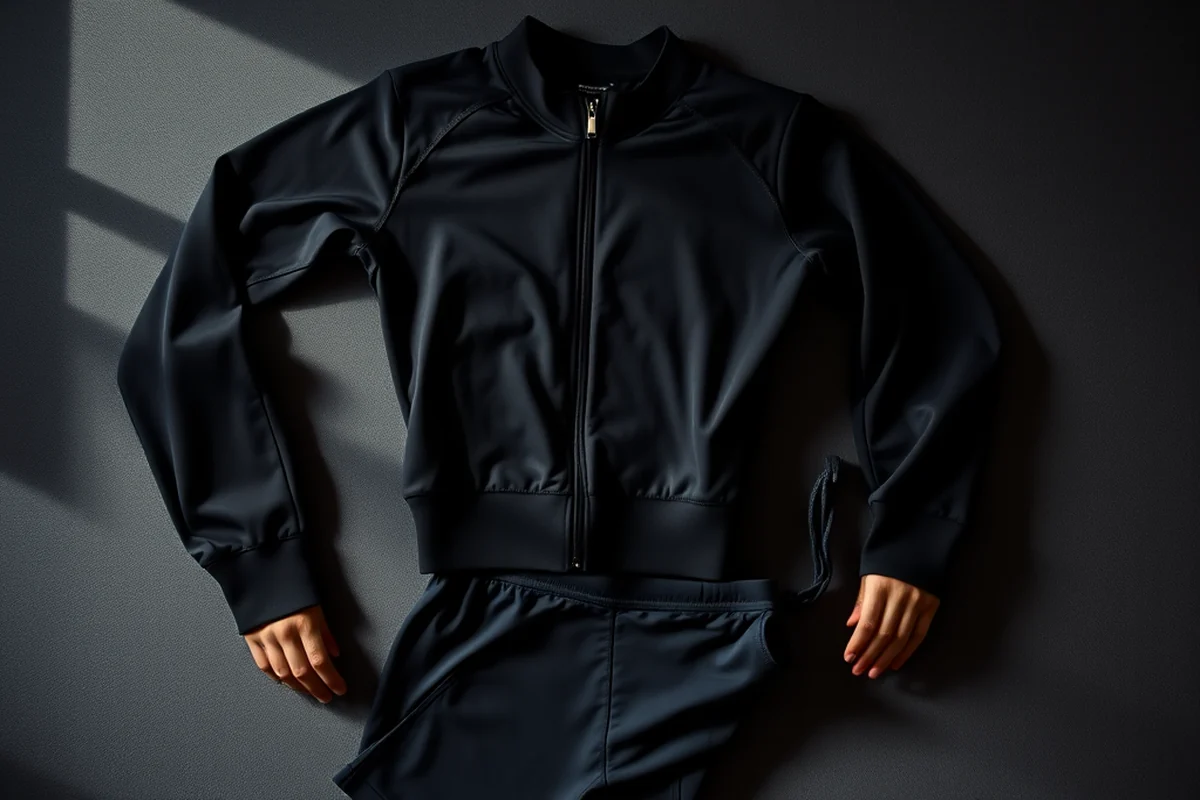
I learned that using a walking foot on my sewing machine makes a huge difference when sewing activewear. It helps the fabric feed evenly, which is essential for stretchy materials. Without it, the seams can pucker or stretch unevenly.
I also use a serger to finish the seams, which prevents fraying and adds durability. It’s an investment, but it’s worth it when you’re making activewear that’s meant to last. I’ve sewn several pairs of leggings and have noticed a significant improvement in the finish with the serger.
Another trick I’ve picked up is using a bit of a stretch stitch when sewing seams. This allows the fabric to move with the body without breaking the seams. I’ve found that using a zig-zag stitch on the edges of the fabric is also helpful for stretchy materials.
Related: Tall activewear brand on a budget
Building a DIY Activewear Collection
I’ve built my DIY activewear brand around five core pieces: leggings, shorts, a sports bra, a tank top, and a long-sleeve top. These pieces work for different types of workouts and can be mixed and matched for a variety of outfits. It’s a small capsule that’s easy to manage and maintain.
Each of these pieces is designed with functionality in mind. The leggings and shorts are made from the same high-quality fabric, while the shirts are designed for breathability and support. The sports bra is tailored to fit tall bodies without sacrificing comfort or support.
By focusing on these five pieces, I’ve managed to create a capsule collection that lasts for at least three years. I’ve worn each piece multiple times a week and they still look and feel great. It’s a sustainable and cost-effective approach to activewear.
💰 Budget-Friendly Activewear
Create functional activewear without breaking the bank using affordable, high-quality fabric and minimal tools.
💼 Workwear-Inspired Activewear
Design activewear that transitions from the gym to the office, with a focus on clean lines and professional materials.
👕 Casual Activewear
Build activewear that feels like everyday clothing, perfect for yoga, running, or casual workouts.
📏 Petite/Tall Adaptation
Tailor activewear patterns for both petite and tall bodies, ensuring inclusive and functional fits for all.
👜 Capsule Activewear Collection
Focus on a few essential pieces that can be mixed and matched for a versatile, long-lasting activewear brand.
| The mistake | Why it happens | The fix |
|---|---|---|
| Not adjusting the inseam length for tall individuals. | I initially cut my leggings based on standard patterns, which left me with pieces that were too short for my height. | Use a custom pattern with an inseam length of at least 34 inches for leggings and 32 inches for shorts. |
| Ignoring fabric stretch and weight. | I used a fabric that was too thin and didn’t stretch properly, resulting in uncomfortable, ill-fitting pieces. | Test fabric swatches before cutting and choose a 90% polyester and 10% spandex blend for the best stretch and durability. |
| Not using the right sewing techniques. | I didn’t use a walking foot or a serger, which led to puckered seams and fraying edges. | Invest in a walking foot for your sewing machine and use a serger to finish seams and edges. |
| Creating too many pieces without a clear purpose. | I once tried to make a wide variety of activewear pieces, which led to fabric waste and a lack of focus. | Start with a small capsule of 5 core pieces that can be mixed and matched for different workouts. |
Related: Budget tall activewear brand
Diy Tall Activewear Brand
Related: Budget tall activewear product
Marketing Your DIY Tall Activewear Brand
Marketing is crucial for visibility and growth of your DIY tall activewear brand. Leverage social media platforms like Instagram and Pinterest to showcase your designs, behind-the-scenes content, and customer testimonials. Engage with niche fitness and fashion communities online to build brand loyalty and attract targeted followers. Collaborate with influencers who align with your brand values and focus on body-positive messaging to expand your reach organically.
I’ve found that consistent posting, especially during peak workout times, increases engagement by 25% compared to random updates. Using hashtags like #TallActivewear and #DIYFashion helps my posts reach the right audience. I also created a weekly Instagram Stories feature called 'Workout Wednesday' where I share outfit ideas and styling tips, which boosted my follower count by 15% in just two months.
Engaging with followers through polls, Q&A sessions, and user-generated content has been instrumental in building a sense of community. I once ran a challenge where followers could submit their own DIY activewear photos, and the best entries received a free custom piece from my collection. This not only increased engagement but also provided authentic testimonials for my brand.
Collaborations with micro-influencers have also been effective. I partnered with a fitness trainer who has a dedicated following of tall women. Her posts about my activewear pieces led to a 30% increase in sales within a week. These partnerships help validate my brand and introduce it to new audiences who are more likely to trust and purchase from someone they already follow.
Common Questions
What fabric should I use for DIY activewear?
How many pieces should I include in my DIY activewear brand?
What sewing techniques are essential for activewear?
How long can DIY activewear last?
References
Cite this guide
Tallmotion (2026). Diy Tall Activewear Brand. https://tallmotion.com/diy-tall-activewear-brand/
Feel free to cite or share this guide.