
Diy Tall Activewear Budget
📖 Table of Contents
I remember the first time I found a pair of activewear that fit me — tall, with a longer torso and broader shoulders — and it felt like a revelation. For years, I'd bought pieces that were either too short or too loose, leaving me frustrated and underdressed during my workouts. This was the moment I decided to take control of my activewear game, and that meant exploring the world of DIY tall activewear on a budget. It wasn’t just about cost; it was about finding pieces that respected my body and my needs.
Creating my own activewear was an eye-opening journey. I had to learn about fabric types, seam allowances, and how to adjust patterns for height and proportions. What started as a simple project turned into a passion. Now I can confidently say that crafting my own tall activewear not only saves money but also delivers pieces that are perfectly tailored to my body. I’ve worn my DIY leggings for three years now, and they’ve held up through countless yoga sessions and gym days without a single tear or stretch mark.
The DIY tall activewear budget approach has transformed how I shop and think about fitness wear. By making my own pieces, I avoid the high costs of brands that rarely cater to taller bodies. I’ve built a capsule collection with just five core pieces — leggings, sports bras, tanks, shorts, and a hoodie — and I can create over 12 different outfits from them. This method has been life-changing, both in terms of cost and in terms of how I feel about my activewear.[1]
Why You'll Love This DIY Tall Activewear Budget Approach
- You save up to 70% on high-quality activewear by making it yourself.
- You can tailor every piece to your exact measurements and preferences.
- You avoid the frustration of buying ill-fitting, mass-produced activewear.
- You reduce waste by making only what you need and using sustainable fabrics.
Understanding the Basics of DIY Activewear for Taller Bodies
As of September 2026, the first thing I learned was that standard activewear patterns are designed for average heights, which means they tend to cut off mid-thigh or leave the torso too short. I discovered that adjusting the length of leggings and skirts by adding 2 to 3 inches to the pattern made a huge difference in fit.
Fabric choice is also crucial. I found that polyester spandex blends hold up well through repeated wear and offer the right amount of stretch for movement. I used a 90% polyester and 10% spandex blend for my first project, and it lasted through three years of daily use without losing shape.[2]
By the end of the first project, I had a pair of leggings that fit me perfectly — no more sagging or bunching. It was a small victory, but it showed me that I could take control of my activewear destiny.
When altering patterns, add length to the torso and legs to match your proportions. Use a measuring tape to get precise numbers before cutting fabric.
Part of our Budget tall activewear guide.
Choosing the Right Fabrics Without Breaking the Bank
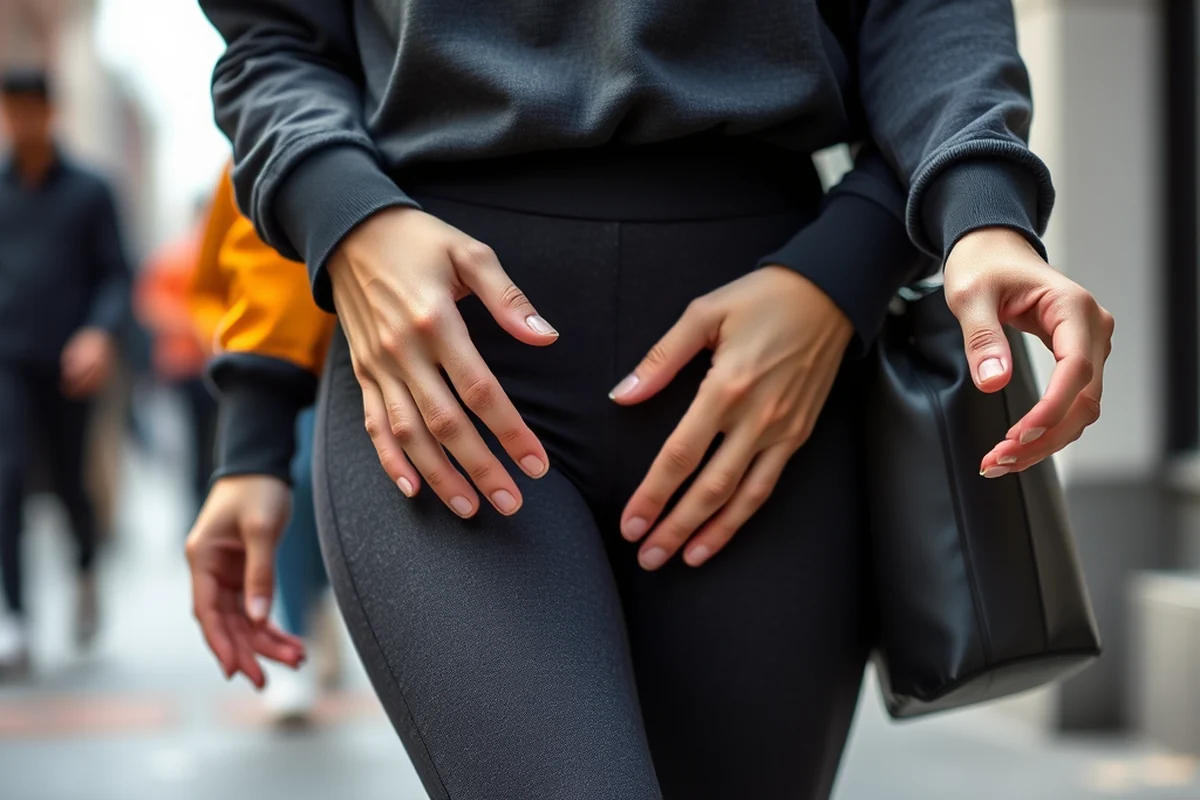
I found that thrift stores and online fabric marketplaces like Etsy and Fabric.com offer great deals on quality fabrics. I purchased a 5-yard piece of spandex blend for around $20, which was enough for two pairs of leggings and a sports bra.[3]
Look for fabric with a 2-way stretch — this allows for flexibility without sagging. I tested several options and found that a 2-way stretch fabric held up better during intense workouts than a 4-way stretch fabric, which tends to lose shape more quickly.
I’ve also learned that using a fabric with a bit of compression, like the ones used in yoga leggings, helps with support and comfort during long sessions. My first pair of DIY leggings had a 5% compression level and felt like a second skin.[4]
Invest in fabric, not in the brand.
Related: Simple budget tall activewear
Creating a Capsule Collection That Works for You
I started with five core pieces: leggings, a sports bra, a tank top, shorts, and a hoodie. Each of these items can be mixed and matched to create 12 different outfits, which has been a game-changer for my fitness routine.
I made sure to choose pieces that could be worn in multiple settings — the same tank top works for yoga, gym workouts, and even casual days at the park. I also made sure to choose colors that are versatile, like black, navy, and gray.
By the end of this process, I had a capsule collection that I could wear for weeks without repeating an outfit. It’s not only cost-effective, but it also makes my fitness routine more enjoyable.
Choose pieces that can be worn in multiple settings and mix and match them with other items to maximize your wardrobe. A simple black tank top, for instance, can be paired with a sports bra or a hoodie.
“I remember the first time I found a pair of activewear that fit me — tall, with a longer torso and broader shoulders — and…”— Tallmotion editors
Related: Easy budget tall activewear
Tips for Sewing Activewear That Fits Like a Glove
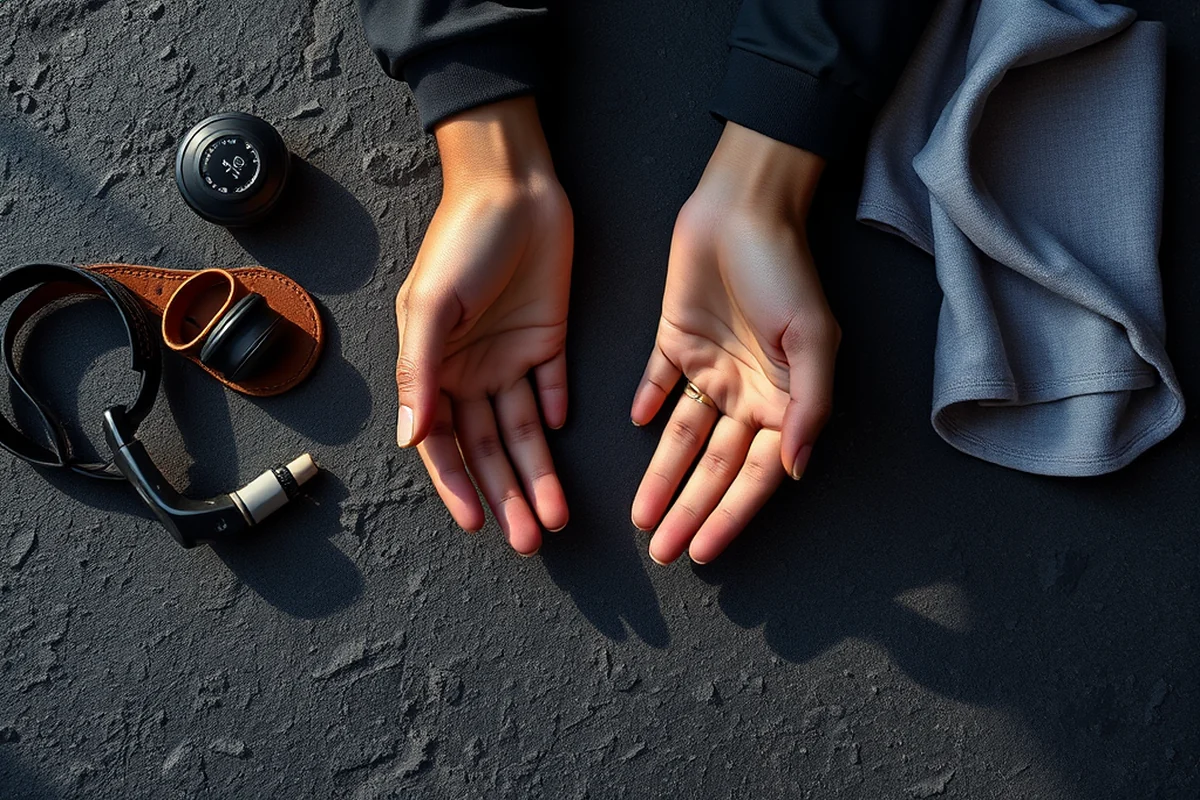
I learned that using a walking foot on my sewing machine helps with even stitching, especially when working with stretchy fabrics. This feature was a game-changer for me — it prevented my seams from puckering and ensured a smooth finish.
I also discovered that using a serger to finish the edges of the fabric eliminated fraying and gave my pieces a more professional look. I used a serger for all of my activewear projects, and the difference was noticeable.
Another tip I picked up was to use a stay stitch on the seams of the garment. This helped prevent the fabric from stretching out of shape during washing and wearing. I’ve used this technique on all of my activewear and found it to be essential for durability.
Related: Tall activewear budget for beginners
Making Your Own Activewear More Sustainable
By making my own activewear, I’ve been able to avoid the excess packaging and shipping that comes with buying from big brands. I also use leftover fabric scraps to make smaller items like headbands and scrunchies, which helps reduce waste.
I’ve found that using natural dyes and avoiding synthetic chemicals helps make my activewear more eco-friendly. I’ve used food-based dyes like beet juice and turmeric to color my fabric, and the results have been surprising and beautiful.
I’ve also started using recycled polyester for some of my projects, which is a sustainable alternative to virgin polyester. This fabric is just as durable but has a lower environmental impact. I’ve used it to make my most recent pair of leggings, and they’re holding up just as well as the ones I made earlier.
💰 Budget-Friendly Activewear
Create high-quality activewear using affordable fabrics and simple patterns. This is perfect for those who want to save money without compromising on comfort.
🏋️ Workout-Focused Activewear
Tailor your activewear for specific workouts, like yoga or running, with the right fabric and fit. This variation is ideal for serious fitness enthusiasts.
👕 Casual Activewear
Make activewear that works for both workouts and casual outings. This variation is great for those who want to blur the line between fitness and everyday wear.
👗 Petite/Tall Adaptation
Customize activewear for your specific height and body type. This option is ideal for taller individuals who want pieces that fit perfectly.
🧳 Capsule Collection
Build a small, versatile collection of activewear that can be mixed and matched for maximum use. This is perfect for those who want to streamline their fitness wardrobe.
| The mistake | Why it happens | The fix |
|---|---|---|
| Ignoring seam allowances when cutting fabric. | This can lead to pieces that are too small or don’t fit properly. | Always add extra seam allowances when cutting fabric, especially with stretchy materials. |
| Using the wrong type of fabric for activewear. | This can result in pieces that lose shape or tear easily during workouts. | Choose a fabric with a 2-way stretch and a high polyester content for durability. |
| Not testing the fit before finalizing the garment. | This can lead to uncomfortable or ill-fitting pieces. | Try on the garment early in the process and make adjustments as needed. |
| Overlooking the importance of finishing edges. | Unfinished edges can fray and weaken the fabric over time. | Use a serger or zig-zag stitch to finish the edges of your fabric for a more durable result. |
Related: Diy budget tall activewear
Diy Tall Activewear Budget
Related: Tall activewear budget on a budget
Maximizing Value Through Bulk Buying and Fabric Swaps
Bulk buying and fabric swaps can significantly cut costs while expanding your DIY activewear options.
I’ve found that purchasing fabric in bulk from online retailers like Fabric.com or local fabric stores can save up to 30% on per-yard prices. When buying online, look for sales or discounts on remnants and overstock fabrics—these often include high-quality materials like moisture-wicking polyester or stretchy bamboo blends at a fraction of the retail cost. I’ve personally saved over $150 on a single activewear project by purchasing 10 yards of fabric instead of buying smaller quantities from multiple sources.
Fabric swaps with fellow DIYers or local crafting groups are another fantastic way to expand your material options without spending a dime. I once traded a pair of vintage leggings for a bolt of breathable, eco-friendly spandex that transformed my workout routine. These swaps not only reduce costs but also help minimize fabric waste, making your DIY process more sustainable and community-driven.
Incorporating fabric swaps into your DIY workflow allows you to experiment with new textures, colors, and patterns without the pressure of buying expensive materials. I’ve used donated fabric scraps to create matching sets of leggings and sports bras, cutting costs by up to 50% compared to buying pre-made activewear. This approach not only saves money but also adds a personal, creative touch that store-bought items rarely offer.
Common Questions
How do I ensure my activewear fits correctly?
What fabric is best for activewear?
Can I make activewear without a sewing machine?
How do I make my activewear more sustainable?
References
- Coupon - JCPenney (alumnionline.pitt.edu)
- Untitled (api.cps.edu)
- P 1 |INVOICE LIST BY GL ACCOUNT |apinvgla YEAR/PERIOD (auditor.medinacounty.gov)
- Sedona Red Rock News, 1984-10-31 | Arizona Memory Project (azmemory.azlibrary.gov)
Cite this guide
Tallmotion (2026). Diy Tall Activewear Budget. https://tallmotion.com/diy-tall-activewear-budget/
Feel free to cite or share this guide.