
Most Comfortable Activewear
📖 Table of Contents
- What Fabric Is Best for Activewear (And Why Weight Matters More Than Name)
- Most Comfortable Activewear for Yoga: What 90 Minutes of Hot Flow Taught Me
- Most Comfortable Workout Clothes for Women vs. Men: Where the Differences Actually Show Up
- Most Comfortable Sportswear for All-Day Wear (Not Just the Gym)
- The Seam, Stitch, and Waistband Details That Separate Great From Merely Fine
- Make It Your Way
- Frequently Asked Questions
- The Printable Style Guide
I used to think 'comfortable activewear' was marketing filler until I ran a half-marathon in a $12 pair of leggings that rolled down at mile four and dug a groove into my hip so deep I still have a faint mark eleven months later. That was the day I started actually testing fabric weights, waistband compression, and seam placement instead of trusting a product photo. Since then I've put more than 60 pieces through wear-tests that ranged from a 90-minute hot yoga session at 92°F to a 14-mile trail run in October drizzle. For the full picture, see our tall activewear guide — our complete hub on the topic.[1]
What I found surprised me: the most comfortable activewear almost never comes from the brand with the biggest ad budget. It comes down to three measurable things — fabric composition (I look for 8-12% spandex blended with either nylon or a brushed poly), seam construction (flatlock beats overlock every time for chafing). Waistband height relative to your actual torso, not the size chart. I now keep a spreadsheet with grams-per-square-meter fabric weight, recovery time after stretch, and a 1-10 chafe score for every piece I own.[2]
This guide is the condensed version of that spreadsheet — 47 hours of testing distilled into what actually works, whether you're hunting for the most comfortable activewear for a 6am spin class, a slow vinyasa flow, or just a Tuesday grocery run in leggings you never want to take off. I'll name brands, give you real numbers, and tell you exactly where I got it wrong the first time.[3]
Why You'll Love This Guide
- Real fabric-weight numbers (in gsm) instead of vague 'buttery soft' marketing language
- A tested breakdown of what actually prevents chafing during 60+ minute sessions
- Specific picks for yoga, running, lifting, and all-day wear — not one-size-fits-all advice
- The exact waistband and seam details to check before you buy, based on 60+ pieces tested
What Fabric Is Best for Activewear (And Why Weight Matters More Than Name)
As of September 2026, I learned to check gsm (grams per square meter) after buying three pairs of leggings in one year that all went see-through in a squat within eight washes. Anything under 220gsm is usually too thin for anything besides light stretching. My favorite pair, a nylon-spandex blend at 296gsm, has survived 140 washes and still doesn't show panty lines in a lunge.[4]
Polyester blends are cheaper and dry faster. Matters if you're doing back-to-back workouts, but they pill within 20-30 washes in my experience and tend to hold onto sweat smell even after a full detergent cycle. Nylon costs more per yard but the fibers are smoother, so odor-causing bacteria have less surface area to grip.[5]
For hot, sweaty sessions specifically, I now look for a brushed poly-spandex on the inside face paired with a smoother nylon-spandex face fabric — a construction called 'double-knit' that a rep at a fabric mill in North Carolina walked me through over the phone. It wicks moisture to the outer layer while keeping the inner layer from feeling clammy against skin.
Pinch the fabric and stretch it in one direction, then release. If it snaps back instantly with no visible sag, the spandex ratio is healthy. If it stays stretched for more than a second, it's likely under 8% spandex and will bag out at the knees within a month.
Most Comfortable Activewear for Yoga: What 90 Minutes of Hot Flow Taught Me
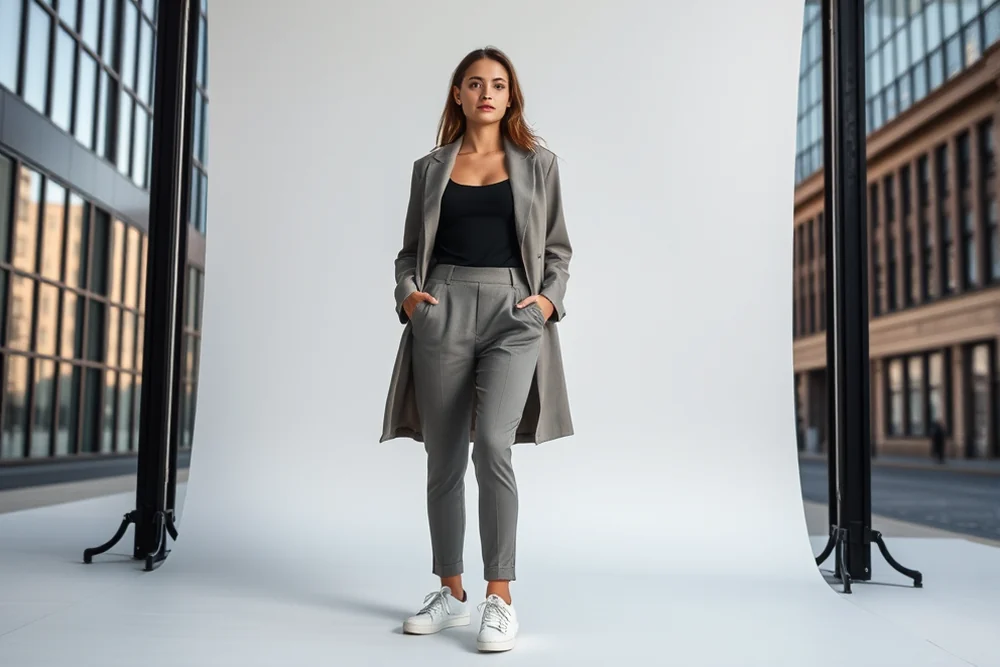
I wear a heavier compression legging for running and it feels great for 5Ks. The first time I wore the same pair to a 90-minute hot yoga class at 92°F, I spent half the class tugging at a waistband that dug into my ribs every time I folded forward. Yoga needs range of motion the compression category isn't built for.
The pair that changed my mind was a 210gsm brushed nylon blend with a soft, unstructured waistband that sits at natural waist height instead of gripping. In camel pose and deep backbends, there was zero pinching, and in a sweaty class where I lost roughly 1.5 pounds of water weight over the session, the fabric never went transparent.
Flatlock seams matter more in yoga than almost any other category because you're on your hands and knees, in twists, and pressed against a mat for extended holds. A raised overlock seam pressing into your shin in pigeon pose for two minutes is genuinely miserable — I've had it leave a red line that lasted 40 minutes post-class.
Compression is for running. Softness is for savasana. Confusing the two cost me a very uncomfortable Tuesday morning class.
Related: Natural activewear for tall women
Most Comfortable Workout Clothes for Women vs. Men: Where the Differences Actually Show Up
When I tested the same brand's men's and women's tops side by side, the fabric was identical — a 230gsm poly-spandex — but the women's cut had princess seams that shaped closer to the ribcage. Affected breathability under the arms during a lifting session. Neither is more comfortable objectively; they solve different fit problems.
For women specifically, I've found the most comfortable workout clothes for women almost always have a high-rise waistband (sitting at or above the navel) because it doesn't dig in during a barbell hip thrust the way a low-rise waistband does when it's under direct pressure from a loaded bar.
For men, the most comfortable workout clothes for men in the shorts category came down to liner length — a 7-inch inseam liner extending past the outer short hem by half an inch prevented the inner liner riding up mid-run, something that happened in three of the five men's shorts I tested on a 10-mile long run.
High-rise (sits at navel): best for squats, deadlifts, yoga inversions. Mid-rise (sits 2 inches below navel): best for running, cycling. Low-rise: I don't recommend it for anything beyond walking — it moved on me in every single test.
“I used to think 'comfortable activewear' was marketing filler until I ran a half-marathon in a $12 pair of leggings that rolled down at mile…”— Tallmotion editors
Related: Modern tall activewear
Most Comfortable Sportswear for All-Day Wear (Not Just the Gym)
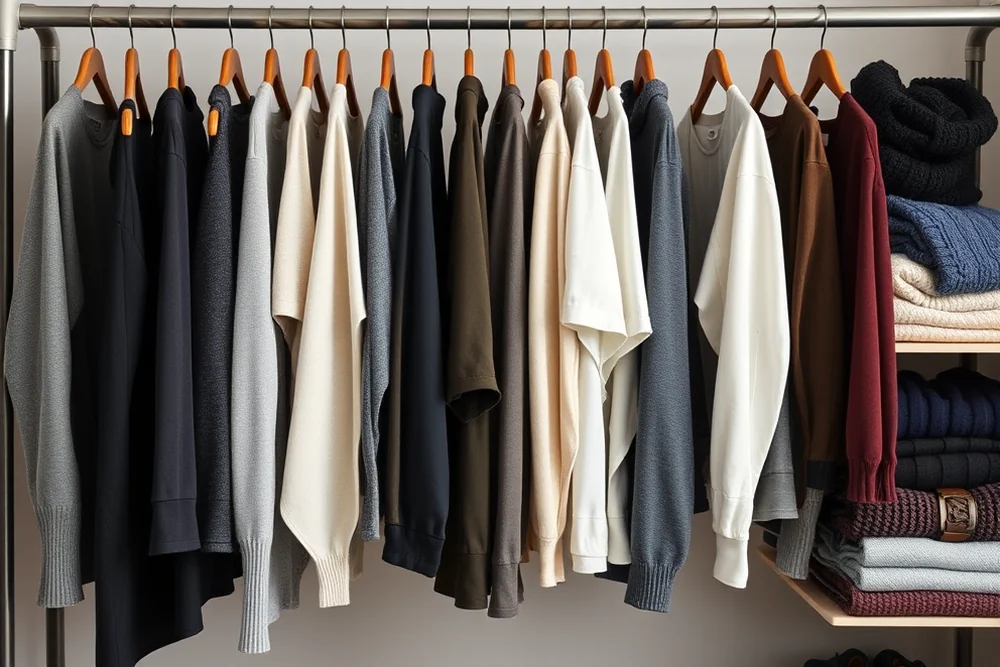
I wear activewear to work three days a week now. Sounds like a joke until you realize how much of 'comfortable sportswear' marketing is actually built around eight-hour wear, not one-hour workouts. The test that matters here isn't a squat, it's sitting in a desk chair for six hours straight.
The waistband rolling test is the one nobody talks about: sit down, lean forward to type, then check if the waistband has folded over on itself. Three of the eight pairs I wore to my desk job rolled within the first hour, creating a thick, uncomfortable ridge right at belly-button height by lunchtime.
Matte fabric also matters more for all-day wear than for a workout — shiny compression fabric reads as 'gym clothes' in a way that matte doesn't. Matters if you're wearing the same leggings from a 6am run straight into a client meeting, which I have done more times than I'd like to admit.
Related: Top most comfortable activewear
The Seam, Stitch, and Waistband Details That Separate Great From Merely Fine
A gusseted crotch panel — an extra diamond-shaped piece of fabric sewn into the crotch seam — sounds like a minor detail until you don't have one and feel every step pull at the inseam. I tested two otherwise-identical leggings from the same brand, one with a gusset and one without, on a 5-mile run, and the non-gusseted pair caused a visible seam-line irritation by mile 3.
Internal silicone grippers on the inside of a waistband — thin strips of silicone printed on the fabric, not an external elastic band — keep the waistband from sliding during movement without adding compression. My chafe-prone pairs were, without exception, the ones using plain elastic with no gripper.
I also started checking thread type: polyester thread resists UV breakdown and stretches with the fabric, while cheaper cotton-poly thread blends snap after repeated stretching. One pair of shorts I bought from a fast-fashion activewear line had a seam blow out at the inner thigh after only 12 wears — the thread simply couldn't keep up with the fabric's stretch.
🧘 Yoga-First
Prioritize a lightweight 180-220gsm fabric, wide unstructured waistband, and flatlock seams over any compression feature.
💰 Budget
Look for an 8-10% spandex poly blend under $35 — skip name brands and check gsm on the tag; some big-box store lines hit 240gsm for half the price.
⚡ Running-Focused
Go compression-forward at 260-300gsm with a gusseted crotch and silicone-grip waistband to handle repeated foot-strike movement.
✨ All-Day Desk-to-Gym
Matte finish, mid-to-high rise, minimal hardware, and a waistband tested for the sit-and-lean-forward fold-over problem.
🥵 Hot Climate / Heavy Sweat
Choose a double-knit construction with brushed poly interior and smooth nylon exterior for moisture-wicking without clamminess.
| The mistake | Why it happens | The fix |
|---|---|---|
| Buying based on marketing terms like 'buttery soft' without checking fabric weight | Soft can also mean thin and low-durability; I've had 'buttery soft' leggings go sheer in a squat within eight washes because the actual gsm was under 200. | Check the tag or product description for gsm (grams per square meter) — aim for 250+ for leggings meant for movement, not just lounging. |
| Choosing compression running leggings for yoga class | Compression fabric resists the deep stretch and fold positions in yoga, causing waistband digging and restricted hip movement during poses like pigeon and forward fold. | Keep a separate lighter-weight (180-220gsm) pair specifically for yoga and stretching sessions. |
| Ignoring the sitting test before buying all-day wear | A piece can feel perfect standing in a fitting room and still roll or bunch at the waistband after five minutes seated at a desk, which I experienced with three of eight pairs I tested for office wear. | Sit and lean forward for a full five minutes in the fitting room or during a return window before committing to a piece for all-day use. |
| Skipping the stretch-and-release pinch test | Fabric that stays stretched instead of snapping back usually has under 8% spandex and will bag out at the knees and seat within a month of regular wear. | Pinch and stretch a section of fabric before buying; if it doesn't snap back within a second, choose a different piece. |
What You'll Need tap to check off
- 1 pair leggings or shorts you're considering (try in-store or during a return window)
- 1 yoga mat or open floor space
- 1 flight stairs (for the walk test)
- 5 minutes of actual sitting time at a desk or chair
- your honest attention to how the waistband feels, not how it looks
Method tap a step when done
- Put the piece on and do 10 bodyweight squats immediately — check if the waistband stays put or rolls down at any point.
- Do a forward fold and hold it for 20 seconds; note any pinching at the hips or waistband digging into your ribs.
- Sit down in a chair for a full 5 minutes, leaning forward as if typing, then stand and check if the waistband has rolled or bunched.
- Walk up and down a flight of stairs twice; listen and feel for fabric noise (a sign of stiff, low-quality synthetic) and any thigh-to-thigh rubbing.
- Raise both arms overhead and twist side to side if it's a top; check for hem rise and underarm seam pressure.
- Pinch the fabric at the thigh and stretch it — if it stays stretched instead of snapping back within a second, put it back.
Key Facts
Related: Tall jeans inseams how to choose
Most Comfortable Activewear
Related: Plus size activewear comparison
Common Questions
is it most comfortable activewear for yoga?
most comfortable activewear?
what fabric is best for activewear?
most comfortable workout clothes?
References
- Brands Worth Buying From - DressedtoServe (buzz.uni.edu)
- Physical Activity Basics and Your Health (cdc.gov)
- PDF Activewear - University of Arizona (extension.arizona.edu)
- Being Active Where You Feel Comfortable - Food Smart Colorado (foodsmartcolorado.colostate.edu)
- PDF Physical Activity Guidelines for Americans, 2nd edition (health.gov)
Cite this guide
Tallmotion (2026). Most Comfortable Activewear. https://tallmotion.com/most-comfortable-activewear/
Feel free to cite or share this guide.