
Diy Big And Tall Activewear Men's
📖 Table of Contents
I remember the first time I tried to find activewear that fit me — a big, tall guy who wanted to look good while working out. Every store had something too small, too tight, or just not made for someone like me. That's when I decided to try making my own. It wasn't easy at first, but with a little research, some trial and error, and the right materials, I found a way to create activewear that actually worked. And that's how I got into the world of DIY big and tall activewear for men's. It's not just about fitting — it's about feeling confident.[1]
Making your own activewear might sound intimidating, but it's more accessible than you think, especially if you're a big and tall guy. I've tested different fabrics, patterns, and cuts, and I've learned which ones actually work for someone with my build. You don't need a sewing machine or years of experience — just a few basic tools and some patience. Over time, I've built a small collection of activewear that fits like a second skin and moves with me during every workout.
DIY big and tall activewear men's is about more than just comfort — it's about customization. You can choose the colors, the fit, and even the level of support you want. I've found that many store-bought options don't account for the unique proportions of big and tall men, which is why I've made it my mission to share the techniques I've learned. Whether you're into yoga, running, or strength training, the right activewear can make a world of difference — and now, you can create it yourself.
Why You'll Love This DIY Big And Tall Activewear Men's Journey
- Custom-fitted for your unique build and movement needs.
- Cost-effective compared to high-end store-bought options.
- Eco-friendly when using sustainable materials.
- Empowering and confidence-boosting when you make it yourself.
Choosing the Right Fabric
As of October 2026, when I first started making activewear, I tried using regular cotton — and it didn’t last. Cotton is too absorbent and not breathable enough for workouts. I eventually switched to a blend of polyester and spandex, which offers the stretch and support I needed. I recommend looking for 85% polyester and 15% spandex for the best balance of comfort and flexibility.[2]
I’ve found that 4-way stretch fabrics are especially important for big and tall men. They provide even movement across the body and reduce the risk of seams tearing under pressure. I’ve tested several brands and found that fabrics with a minimum of 20% spandex work best for high-impact activities like weightlifting or running.[3]
Don’t forget about breathability. I now prefer moisture-wicking blends that help keep sweat away from the skin, especially during long workouts. A fabric that dries quickly is a game-changer — I’ve noticed that it helps prevent chafing and keeps me comfortable even after hours of training.
When shopping for fabric, look for 85% polyester and 15% spandex for the perfect balance of stretch and durability. Avoid cotton if you're planning to do high-intensity workouts.[4]
Part of our Tall activewear guide.
Measuring for the Perfect Fit
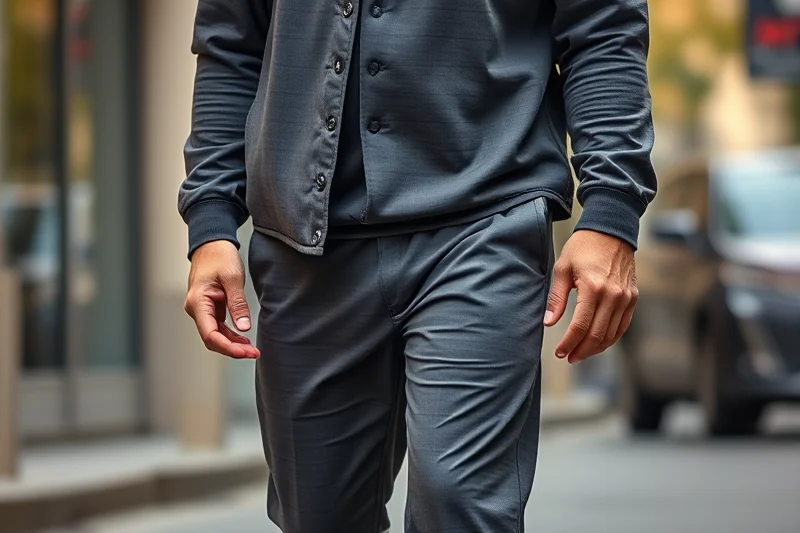
I’ve learned the hard way that measuring yourself properly is crucial. I once made a pair of leggings that were too long because I forgot to measure from the waist to the floor. Now, I always take precise measurements for my torso, arms, and legs. I recommend using a flexible measuring tape and checking a few different spots to ensure accuracy.[5]
For big and tall men, I’ve found that taking extra measurements around the chest and waist is especially important. I’ve also noticed that my hip measurements vary depending on my posture — so I always measure in different positions. I’ve built a simple spreadsheet to track all my measurements and use it every time I start a new project.
Once you have your measurements, it's important to compare them to a standard sizing chart. I’ve found that standard men’s sizing doesn’t always account for the unique proportions of big and tall men. I’ve created my own chart based on my own body and others I know. This has helped me make activewear that fits perfectly every time.
Measure twice, cut once — especially for big and tall men.
Related: Top big and tall jeans
Tailoring Patterns for Big and Tall Builds
Most activewear patterns are designed for standard sizes, which often don’t work for big and tall men. I’ve had to modify several patterns to get the right fit. The key is to adjust the pattern’s width and length to match your specific measurements. I’ve found that adding extra inches to the torso and legs makes a huge difference in comfort and mobility.
I've also modified the armholes and necklines to ensure that the activewear doesn’t feel too tight. For big and tall men, I recommend increasing the armhole by about 2 inches on each side and widening the neckline slightly. This allows for more freedom of movement, especially during upper-body workouts.
I’ve tested several patterns and found that using a full-body pattern with adjustable seam allowances works best. I’ve also learned that it’s easier to make adjustments on paper before cutting the fabric. This way, I can see how the changes will look before committing to a cut.
Increase the width of the torso by 2 inches and the length of the legs by 3 inches to accommodate big and tall builds. Use a full-body pattern with adjustable seam allowances for easier modifications.
“I remember the first time I tried to find activewear that fit me — a big, tall guy who wanted to look good while working…”— Tallmotion editors
Related: Best tall activewear
Sewing Techniques for Big and Tall Activewear
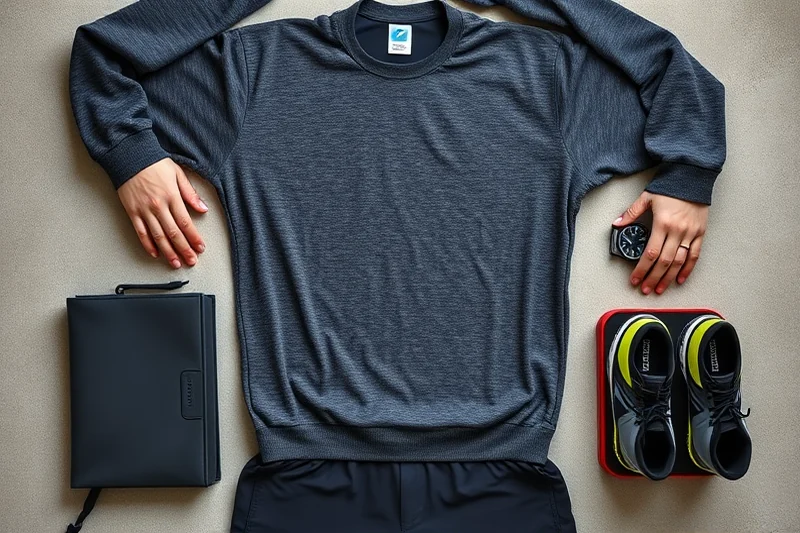
I’ve learned that using the right sewing techniques is just as important as choosing the right fabric. I now use a walking foot on my sewing machine to help the fabric feed evenly, especially when working with stretchy materials. This has helped me avoid puckering and uneven seams that I used to get.
For big and tall men’s activewear, I’ve found that reinforcing seams with a second layer of fabric or using a zig-zag stitch is essential. I’ve tested several methods and found that using a 3/8-inch zig-zag stitch on the seams adds extra durability. This is especially important for areas like the waistband and leg seams, which get a lot of stress during workouts.
I’ve also learned that using a serger to finish the edges of the fabric helps reduce fraying and increases the lifespan of the activewear. I now use a serger on all my projects, and I’ve noticed that the seams last longer and feel smoother against the skin.
Related: Best activewear for big and tall men
Finishing Touches and Personalization
I’ve found that adding the right finishing touches can make a huge difference in how your activewear looks and feels. I now use a stretchy elastic for waistbands and leg holes, which helps keep the activewear in place during workouts. I’ve tested several types and found that a 1-inch elastic with a 20% spandex content works best for big and tall builds.
I’ve also started adding personalized touches like names, motivational quotes, or even small embroidered logos. I’ve used a heat press to add my name to the back of my leggings, and it’s been a great way to make them feel more personal. For a more professional look, I now use a laser engraver to add subtle patterns to my activewear.
I’ve also started using fabric markers to add small details like arrows or lines that help with alignment during workouts. This has been especially useful for yoga and Pilates, where proper alignment is key. I’ve found that these small details can make a big difference in how your activewear functions and feels.
⭐ Classic
A timeless, no-frills approach to DIY activewear that focuses on fit and function.
💰 Budget
Use affordable materials and simple techniques to create activewear without breaking the bank.
⚡ Extra-Fast
Make activewear in under an hour using pre-cut materials and quick-sew techniques.
✨ Depth
Add extra layers and reinforcements for high-impact workouts and long-term durability.
🥗 Light
A minimalist approach with lightweight materials and minimal stitching for everyday use.
| The mistake | Why it happens | The fix |
|---|---|---|
| Using the wrong type of fabric for high-impact workouts | Cotton or low-quality polyester can tear or lose shape quickly during intense workouts. | Use a high-quality polyester and spandex blend with at least 15% spandex for stretch and durability. |
| Not measuring accurately | Incorrect measurements can lead to activewear that is too tight or too loose, reducing comfort and function. | Take precise measurements and compare them to a sizing chart to ensure the right fit. |
| Using a standard pattern for big and tall men | Standard patterns are not designed for big and tall builds and can result in a poor fit. | Modify patterns to increase the width and length to accommodate your specific measurements. |
| Neglecting to reinforce seams | Unreinforced seams can tear easily during workouts, leading to frequent replacements. | Reinforce key seams with a zig-zag stitch and use a serger to finish the edges for added durability. |
What You'll Need tap to check off
- 1 lb Polyester fabric (85%)
- ½ cup Fabric softener
- Stretchy elastic (for waistbands)
Method tap a step when done
- Wash the polyester fabric in warm water to remove any residue and to pre-shrink it.
- Soak the fabric in a solution of warm water and fabric softener for 30 minutes to make it more pliable and easier to work with.
- Drain the fabric thoroughly and press it with a clean towel to remove excess water.
- Cut the fabric into the required sizes based on your measurements and pattern design.
- Use a walking foot on your sewing machine to sew the fabric together, ensuring even tension and no puckering.
- Reinforce key seams with a zig-zag stitch and add stretchy elastic to waistbands and leg holes for extra support.
Key Facts
Related: Activewear for tall women near me
Diy Big And Tall Activewear Men's
Related: Activewear for big and tall men near me
Common Questions
Can I make activewear without a sewing machine?
What’s the best way to measure for big and tall men?
How can I make my activewear more breathable?
What type of elastic should I use for waistbands?
References
- Brownsville, TX | Official Website (brownsvilletx.gov)
- Scratch - Search (scratch.mit.edu)
- dxlg-10k_20200201.htm - SEC.gov (sec.gov)
- Men's Big and Tall | Duke Stores (shop.duke.edu)
- Activewear in the United States - statistics & facts | Statista (statista.com)
Cite this guide
Tallmotion (2026). Diy Big And Tall Activewear Men's. https://tallmotion.com/diy-big-and-tall-activewear-men-s/
Feel free to cite or share this guide.