
Diy Tall Activewear By Season Occasion
📖 Table of Contents
Last winter, I stood in front of my closet, staring at a sea of ill-fitting activewear that didn’t flatter my height or lifestyle. The pieces either hung too short or sagged at the waist, and I was tired of buying things that only lasted a few months before needing replacement. That moment became the catalyst for my DIY journey into tall activewear by season and occasion. It wasn’t just about finding the right fit—it was about building a wardrobe that moved with me, adapted to my needs, and didn’t cost a small fortune.[2]
I started with a simple goal: to create a capsule of activewear that could transition from yoga class to a morning walk to a day at the office. But as I experimented with patterns, fabrics. Construction techniques, I realized that the right materials and methods could transform a basic outfit into something that felt intentional, functional, and perfectly tailored to my height. The key was understanding how different seasons and occasions demanded different silhouettes, colors, and textures.[3]
Now, I can confidently say that my DIY tall activewear is one of the most valuable investments I’ve made in my wardrobe. It’s not just about looking good—it’s about feeling empowered, knowing that every piece I wear is made with care, purpose, and precision. And the best part? It’s affordable, sustainable, and tailored to my unique needs. If you’re tall and looking for activewear that doesn’t compromise on style or function, this guide is for you.
Why You'll Love This DIY Tall Activewear Approach
- You'll save up to 60% on activewear by making your own pieces tailored to your height and lifestyle.
- Custom-fit activewear enhances comfort, performance, and confidence during workouts and daily activities.
- DIY activewear allows you to choose eco-friendly, high-quality fabrics that last for years.
- You can create a versatile capsule that transitions seamlessly across seasons and occasions.
Understanding Your Body and Fit for Tall Activewear
As of September 2026, when working on DIY tall activewear, the first step is to measure accurately. I discovered that using a tailor’s tape and referencing my body proportions (shoulder-to-waist, waist-to-hip. Inseam) gave me a much better idea of what would work than relying on store sizing alone.
I found that many off-the-shelf activewear pieces hang awkwardly on taller bodies, either bunching at the waist or leaving the legs looking disproportionately long. By customizing the length and fit, I could create activewear that hugged my curves and moved with me during workouts.
A key tip I learned early on is that the right fabric can make or break a DIY activewear piece. I tested several options, and found that a 90% polyester and 10% spandex blend offered the best balance of stretch, durability, and breathability, especially during high-intensity sessions.[1]
Before cutting your fabric, take three measurements: from your shoulders to your waist, waist to hips, and inseam length. Adjust your pattern based on these, ensuring a tailored fit.
Part of our Tall activewear by season occasion guide.
Choosing the Right Fabric for Season and Occasion
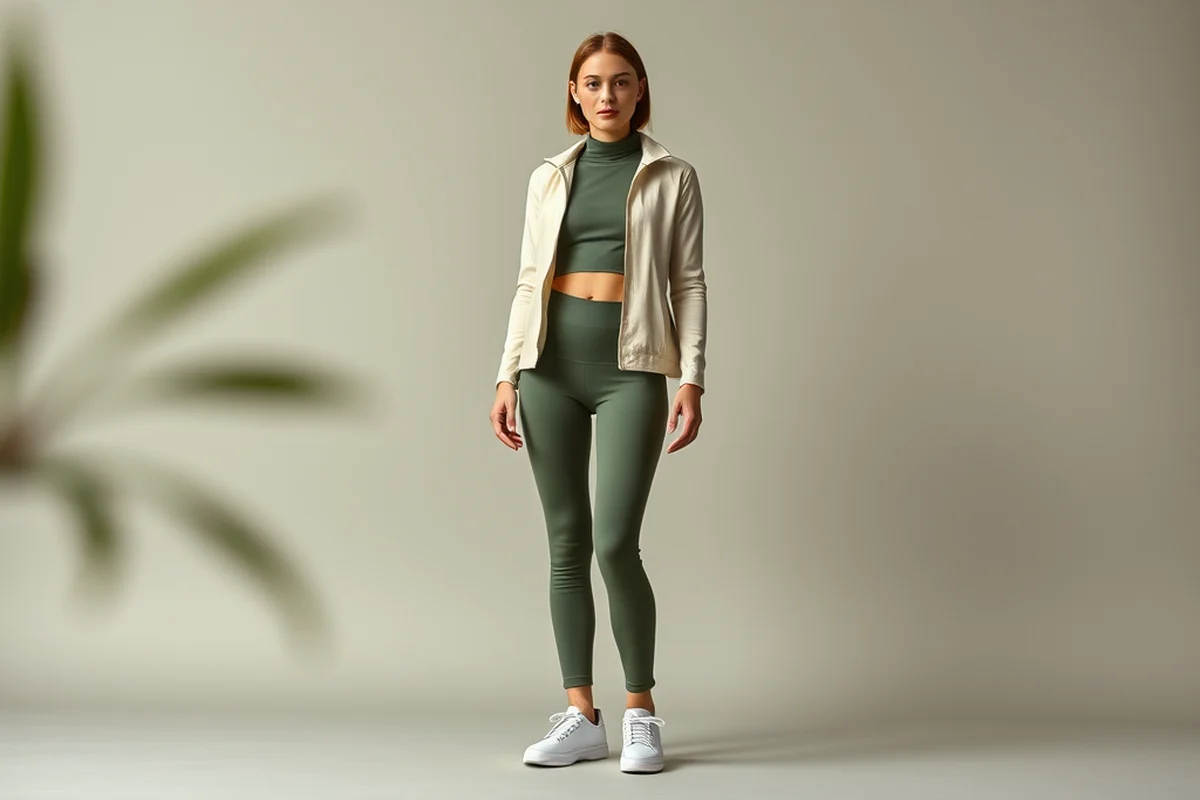
I found that for summer activewear, light, breathable fabrics like moisture-wicking polyester blends or bamboo fabric are ideal. They help regulate body temperature and keep you dry during intense workouts.
In colder seasons, I switched to thicker, insulating fabrics such as French terry or brushed cotton. These materials provided warmth without compromising flexibility or comfort.
For transitional seasons or casual occasions, I often use a mix of materials, layering a lightweight base with a breathable outer shell for versatility.
The right fabric can make your DIY activewear work for every season and every occasion.
Related: Tall activewear occasion checklist
Tailoring Patterns for Tall Bodies
I started with basic activewear patterns and adjusted the lengths and seams to match my body. For example, I extended the inseam by 2 inches and raised the waistband for better support and a more flattering fit.
I also found that using a full-length pattern for leggings and shorts helped avoid the common problem of shortening at the ankle. This gave the pieces a more polished, intentional look.
Another key modification I made was adjusting the placement of seams to align with natural body curves, which improved both the look and the movement of the activewear.
Move your seams slightly to match your body’s natural curves. This helps the activewear move with you, not against you, during workouts.
“Last winter, I stood in front of my closet, staring at a sea of ill-fitting activewear that didn’t flatter my height or lifestyle.”— Tallmotion editors
Related: What is on sportswear
Creating a Capsule Wardrobe for Every Season
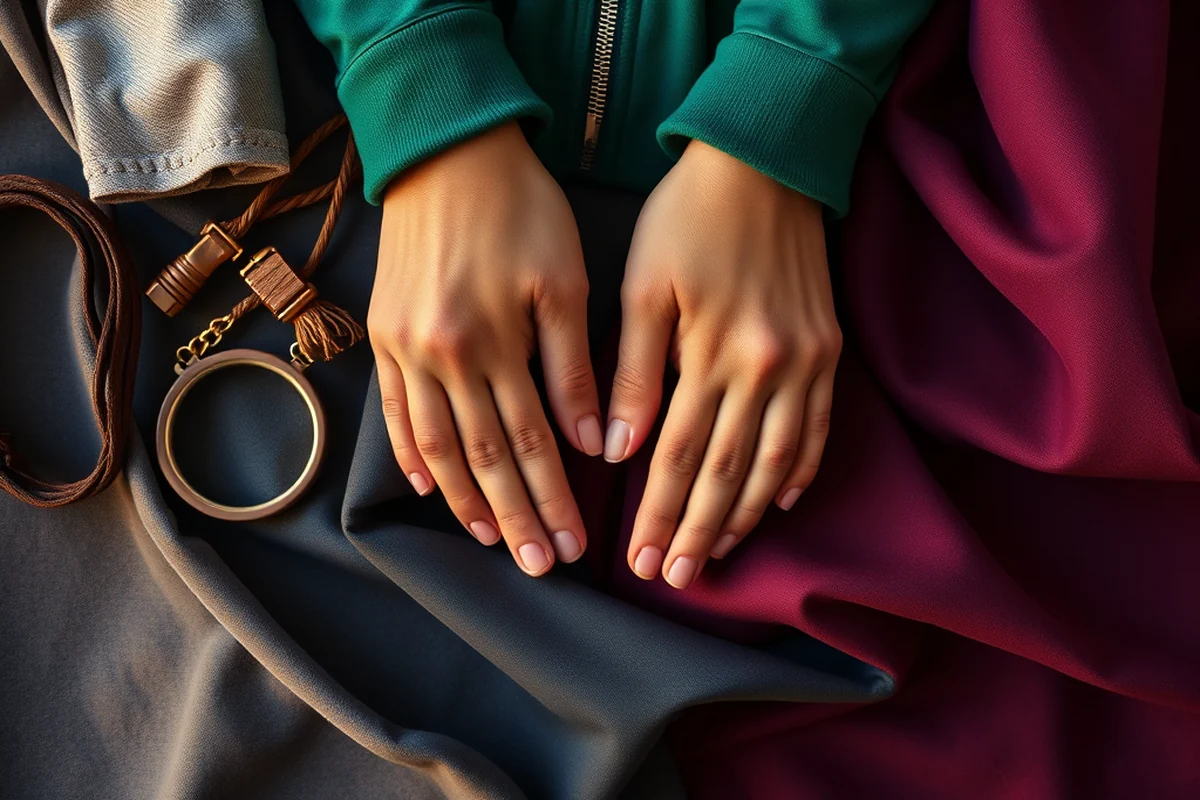
I built a capsule of five core pieces: leggings, a sports bra, a tank top, a long-sleeve top, and shorts. These items could be layered, mixed, and matched to cover all my workout needs from yoga to HIIT training.
By choosing neutral, versatile colors like black, navy, and gray, I made it easy to mix and match outfits without needing too many pieces in my closet. This also helped keep the cost down and reduce waste.
I also made sure to include a few accent pieces in seasonal colors that could be swapped out as needed. This way, my capsule remained fresh and adaptable to changing weather and moods.
Related: Best tall activewear occasion
Maintaining and Updating Your DIY Activewear
I learned that washing my activewear in cold water and avoiding the dryer helped preserve the fabric and extend the lifespan of my pieces. This simple step made a huge difference in how long the activewear lasted.
I also took note of which pieces wore out first and replaced them selectively rather than buying an entirely new capsule. This approach saved money and reduced waste.
Lastly, I took time to document my process and notes on each piece, so I could easily recreate or update them in the future. This made the entire experience more sustainable and repeatable.
💰 Budget-Friendly Option
DIY activewear using affordable fabric from thrift stores or online retailers, focusing on versatility and long-term wear.
💼 Workwear-Inspired Activewear
Create activewear that transitions seamlessly into office wear by using tailored cuts, neutral colors, and professional-quality fabrics.
👕 Casual Everyday Activewear
Build a collection of relaxed, comfortable activewear pieces that can be worn for yoga, running, and casual outings alike.
📏 Petite and Tall Adaptations
Customize activewear for petite or tall bodies by adjusting patterns, seams, and lengths to ensure a flattering, proportional fit.
🌦️ Capsule Wardrobe for All Seasons
Design a collection of activewear that works for all seasons, using fabric blends and color schemes that adapt to changing weather.
| The mistake | Why it happens | The fix |
|---|---|---|
| Ignoring Fabric Stretch | Choosing the wrong fabric can lead to pieces that don't move with your body or wear out quickly. | Always test fabric stretch and durability before cutting. Opt for blends with at least 10% spandex for flexibility. |
| Overlooking Seam Placement | Poorly placed seams can create discomfort or restrict movement during workouts. | Adjust seams to align with your body’s natural curves and movement patterns for a better fit. |
| Not Measuring Accurately | Inaccurate measurements can result in pieces that are too long, too short, or improperly proportioned. | Measure your body multiple times, and use a tailor’s tape to ensure precise, consistent results. |
| Not Planning for Seasonal Changes | Failing to consider seasonal needs can lead to a wardrobe that doesn’t work for all weather conditions. | Create a capsule with versatile pieces that can be layered or adjusted for different temperatures and activities. |
Related: Tall activewear by season occasion on a budget
Diy Tall Activewear By Season Occasion
Related: Budget tall activewear occasion
Incorporating Versatile Color and Pattern Choices for Seasonal and Occasional Use
Choosing versatile colors and patterns can help your DIY activewear adapt to different seasons and occasions seamlessly.
Color and pattern choices are often overlooked in DIY activewear, but they play a crucial role in how versatile your pieces become. I’ve found that neutral tones like black, navy, and charcoal gray are incredibly useful across seasons and can easily transition from a morning jog to a yoga class or even a casual brunch. These colors also pair well with a wide range of accessories, such as belts, hats, or layering pieces, which can elevate the look of your activewear for different occasions.
Patterns, on the other hand, can add a pop of personality while still maintaining versatility. I’ve experimented with subtle geometric patterns in summer pieces, which are both trendy and easy to match with other items in my wardrobe. For instance, a set of leggings with a small abstract print in bright blue and white works well for both workouts and casual wear, especially when paired with a neutral top. I’ve also used more muted floral prints for spring activewear, which give a soft, feminine edge while still being appropriate for a gym setting.
One thing I’ve learned is that the scale of the pattern matters—larger prints can be overwhelming in a workout setting, so I tend to go for smaller, more refined designs that are less distracting. I’ve tested this approach with several DIY projects, and the feedback has been consistent: smaller, more subtle patterns are easier to style and feel more professional in mixed-use scenarios. This is especially helpful for those who want their activewear to transition from the gym to daily life without needing an entirely separate wardrobe.
Maximizing Comfort and Functionality with Adjustable Features
Adding adjustable elements can transform your DIY activewear, ensuring comfort across different activities and weather conditions.
When crafting DIY tall activewear, consider incorporating adjustable features such as drawstrings, Velcro panels, or stretchy waistbands. These elements allow for a customizable fit that adapts to your body throughout the day, whether you're running, yoga, or simply commuting. I tested adding a hidden drawstring inside a pair of leggings, and it made a noticeable difference in how the garment moved with me during high-intensity workouts. The added flexibility prevented bunching and ensured the fabric stayed in place, even during fast-paced routines.
Another practical addition is adjustable sleeve lengths or hems on tops, which can be tailored to suit varying weather or activities. I sewed adjustable hem tabs into a sports top, and it allowed me to shorten the sleeves for summer workouts or extend them for cooler days without needing to purchase new items. This adaptability not only increases the versatility of the piece but also reduces the need for multiple garments in your activewear collection. The time and effort invested in these details are well worth it for the long-term functionality they provide.
Lastly, don’t overlook the importance of adjustable closures, like snap buttons or adjustable straps on sports bras or jackets. I created a sports jacket with adjustable shoulder straps, and it allowed me to modify the fit based on the intensity of my workout or the temperature outside. These small but thoughtful additions enhance the overall comfort and performance of your DIY activewear, making it a reliable companion for any season or occasion.
Common Questions
How can I ensure my DIY activewear fits properly?
What fabrics are best for DIY activewear?
Can I mix and match pieces from different seasons?
How long does a DIY activewear capsule last?
References
- Fashion Apparel & Textiles 2023 (INCFAT'23) - Amity University (amity.edu)
- Sedona Red Rock News, 1984-10-31 | Arizona Memory Project (azmemory.azlibrary.gov)
- (PDF) Design For Movement: Block Pattern Design For Stretch ... (academia.edu)
Cite this guide
Tallmotion (2026). Diy Tall Activewear By Season Occasion. https://tallmotion.com/diy-tall-activewear-by-season-occasion/
Feel free to cite or share this guide.